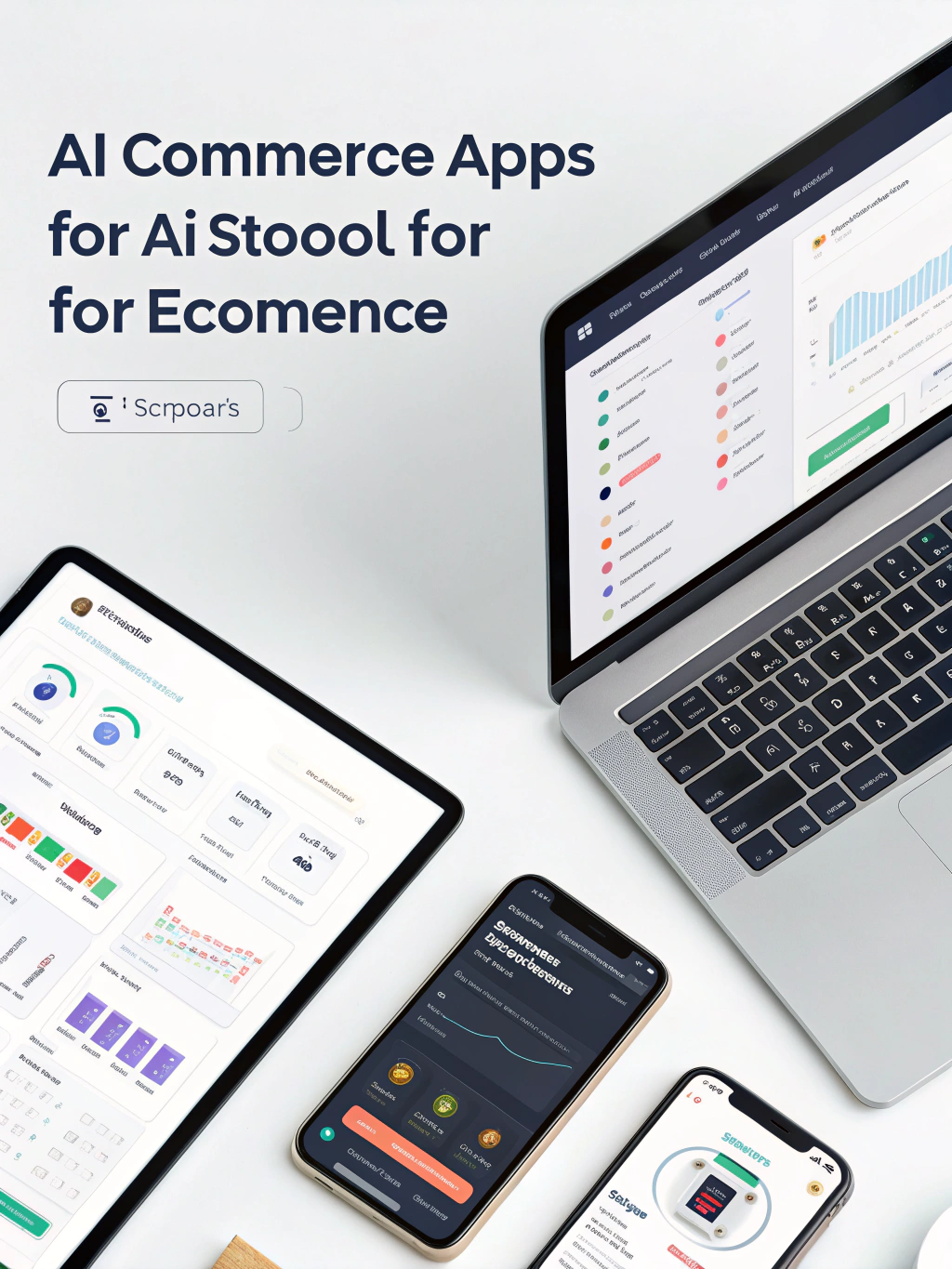
AI Tools for E-commerce Stores
Level Up Your Online Store: A Deep Dive into AI Tools for Ecommerce
Running an ecommerce business in today’s competitive landscape demands constant innovation. From product discovery to customer service, every aspect of the journey can benefit from intelligent automation. That’s where ai tools for ecommerce come into play. These powerful technologies are rapidly transforming how online businesses operate, unlocking new levels of efficiency, personalization, and growth. Whether you’re a startup or an established brand, understanding and implementing the right AI solutions can be a game-changer. This guide explores the current landscape of ai tools for ecommerce, providing practical insights and real-world examples to help you navigate this exciting evolution of retail.
Boosting Sales with AI-Powered Product Recommendations
One of the most impactful ways to leverage AI in your ecommerce store is through personalized product recommendations. Gone are the days of generic “customers who bought this also bought” suggestions. Modern AI algorithms analyze vast amounts of data – browsing history, purchase patterns, demographics – to deliver highly targeted recommendations. This not only enhances the customer experience but also significantly boosts sales.
- How it works: AI analyzes customer data to predict what they’re likely to be interested in. It considers various factors, including items viewed, added to cart, past purchases, and even time spent on product pages.
- Benefits: Increased average order value, improved conversion rates, reduced cart abandonment.
- Tools to explore: Nosto, Barilliance, Clerk.io.
Streamlining Customer Service with Chatbots
Providing instant and efficient customer support is crucial for customer satisfaction. AI-powered chatbots are revolutionizing customer service by handling routine inquiries, resolving common issues, and freeing up your human agents to focus on more complex problems. These bots can be available 24/7, ensuring customers always have access to assistance.
- Common Use Cases: Answering FAQs, tracking orders, providing product information, guiding customers through the checkout process.
- Integration: Chatbots can be integrated into your website, social media platforms, and messaging apps like Facebook Messenger.
- Considerations: While AI has improved dramatically, it’s important to have a seamless handover to a human agent when necessary.
Optimizing Marketing Campaigns with Predictive Analytics
Predictive analytics is another powerful application of AI in ecommerce. By analyzing historical data, AI can forecast future trends, identify customer segments with high purchase potential, and optimize marketing campaigns for maximum impact. This allows you to target the right customers with the right message at the right time, improving ROI. Consider using AI to analyze seasonal trends and adjust inventory accordingly, preventing stockouts or excess inventory.
- Key Benefits: Improved marketing ROI, enhanced customer segmentation, personalized advertising, better inventory management.
- Tools: Google Analytics, Salesforce Einstein, Dynamic Yield.
Automating Inventory Management with Intelligent Forecasting
Efficient inventory management is critical for minimizing costs and avoiding stockouts. AI-powered forecasting tools analyze past sales data, market trends, and external factors to predict future demand. This enables you to optimize your inventory levels, reduce holding costs, and ensure you have the right products in stock when customers want them.
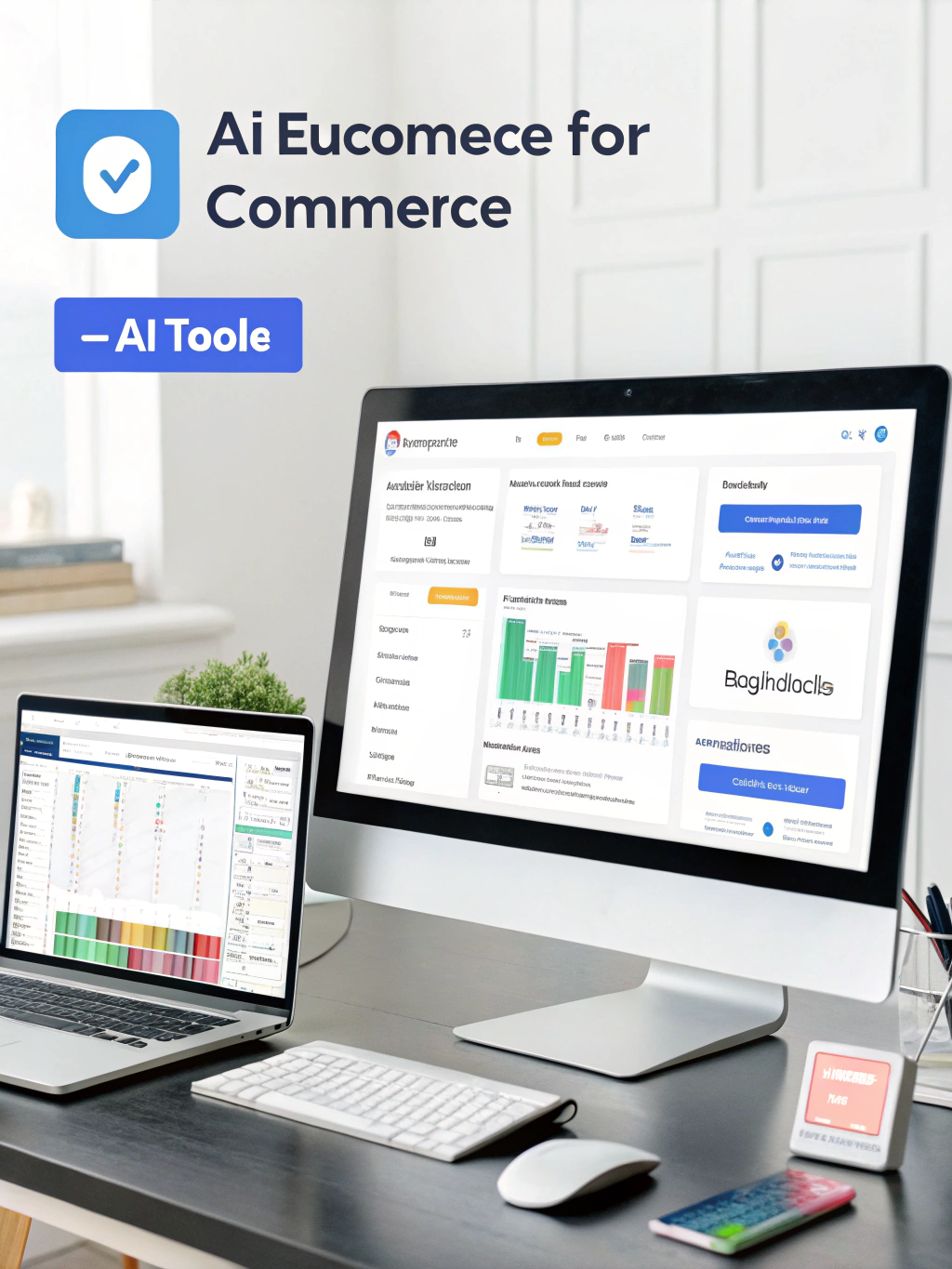
Practical Experience & Real Use Case: Personalized Email Campaigns
Let’s walk through a practical example. Imagine an online clothing boutique using ai tools for ecommerce to enhance their email marketing.
Scenario: A customer browses several pairs of blue jeans on the website but doesn’t add any to their cart.
Steps:
- Data Collection: The AI tool tracks the customer’s browsing behavior (time spent on product pages, products viewed).
- Segmentation: The customer is segmented based on their interest in blue jeans.
- Personalized Email: The AI generates a personalized email showcasing the blue jeans they viewed, along with similar styles and customer reviews. The email might also offer a small discount to incentivize purchase.
- A/B Testing: The AI continuously A/B tests different email subject lines, content, and offers to optimize performance.
Common Beginner Mistakes & Fixes: A common mistake is not properly integrating the AI tool with the existing ecommerce platform and email marketing system. Another is failing to provide the AI with sufficient data. Fix: Ensure seamless integration and provide the AI with a historical dataset of customer activity.
Limitations and Drawbacks: The Human Touch Still Matters
While ai tools for ecommerce offer immense potential, it’s important to acknowledge their limitations. AI is not a replacement for human empathy and creativity. Over-reliance on automated systems can lead to impersonal customer experiences and missed opportunities for building strong brand relationships. Furthermore, the accuracy of AI predictions depends entirely on the quality and completeness of the data it’s trained on. Biased data can lead to biased recommendations and outcomes.
AI Tools for Ecommerce: A Quick Comparison
| Tool | Key Features | Pricing Model | Best For |
|---|---|---|---|
| Nosto | Product recommendations, personalization | Subscription-based | Medium to large ecommerce businesses |
| Barilliance | Product recommendations, AI-powered search | Subscription-based | Small to medium ecommerce businesses |
| Clerk.io | AI-powered search, product discovery | Subscription-based | Ecommerce stores with large product catalogs |
| Ada | AI-powered chatbots | Subscription-based | Businesses needing robust customer support |
| Zendesk AI | AI-powered chatbots, ticket routing | Subscription-based | Businesses already using Zendesk |
Snippet-Ready Answer:
What is one of the biggest benefits of using AI for ecommerce?
AI enables hyper-personalization. It analyzes customer data to deliver tailored product recommendations, marketing messages, and shopping experiences, leading to higher engagement and conversions.
Frequently Asked Questions
What are the most popular ai shop tools available?
Several tools are gaining traction, including Nosto, Barilliance, and Clerk.io, all focused on product recommendations and personalization. Ada and Zendesk AI are popular choices for implementing AI-powered chatbots.
How can ai help me with product discovery?
AI-powered search tools like Clerk.io understand natural language, visual search, and user intent allowing customers to find products they’re looking for more easily, even if they don’t know the exact keywords.
Is implementing ai for my ecommerce store expensive?
The cost varies greatly depending on the tool and the scale of your business. Many options offer subscription-based pricing with plans tailored for different business sizes. Free trials are commonly available.
What kind of data do I need to get started with ai tools?
You’ll need data on customer behavior – browsing history, purchase history, demographics. The more data you provide, the more effective the AI will be.
Conclusion
The future of ecommerce is undeniably intertwined with intelligent automation. ai tools for ecommerce are no longer a futuristic concept; they are essential for businesses looking to thrive in today’s dynamic marketplace. By embracing these technologies thoughtfully and strategically, you can create more personalized, efficient, and profitable online experiences.
What are your thoughts on incorporating AI into your ecommerce strategy? Share your experiences and challenges in the comments below! You might also find our article on ai shop tools helpful.
Share this content:






Post Comment