
Ai Automation For Small Teams
Supercharge Your Small Team: The Power of AI Automation
Running a small team often feels like juggling a dozen tasks at once. From marketing and customer service to administrative duties and data analysis, the workload can be overwhelming. But what if you could offload repetitive tasks and free up your team to focus on strategic initiatives and creative problem-solving? That’s where AI automation for small teams comes in. This isn’t about replacing people; it’s about augmenting their capabilities and boosting overall productivity. We’ll dive into how AI tools can revolutionize your workflow, explore practical examples, and address the realities of implementing these technologies.
Streamlining Operations with Intelligent Tools
The beauty of AI automation lies in its ability to handle routine, time-consuming tasks. Think data entry, scheduling, generating basic reports, and even initial customer inquiries. Instead of your team spending hours on these activities, they can dedicate their energy to higher-value work – innovation, strategic planning, and building stronger client relationships. This shift in focus alone can significantly impact a small business’s growth trajectory.
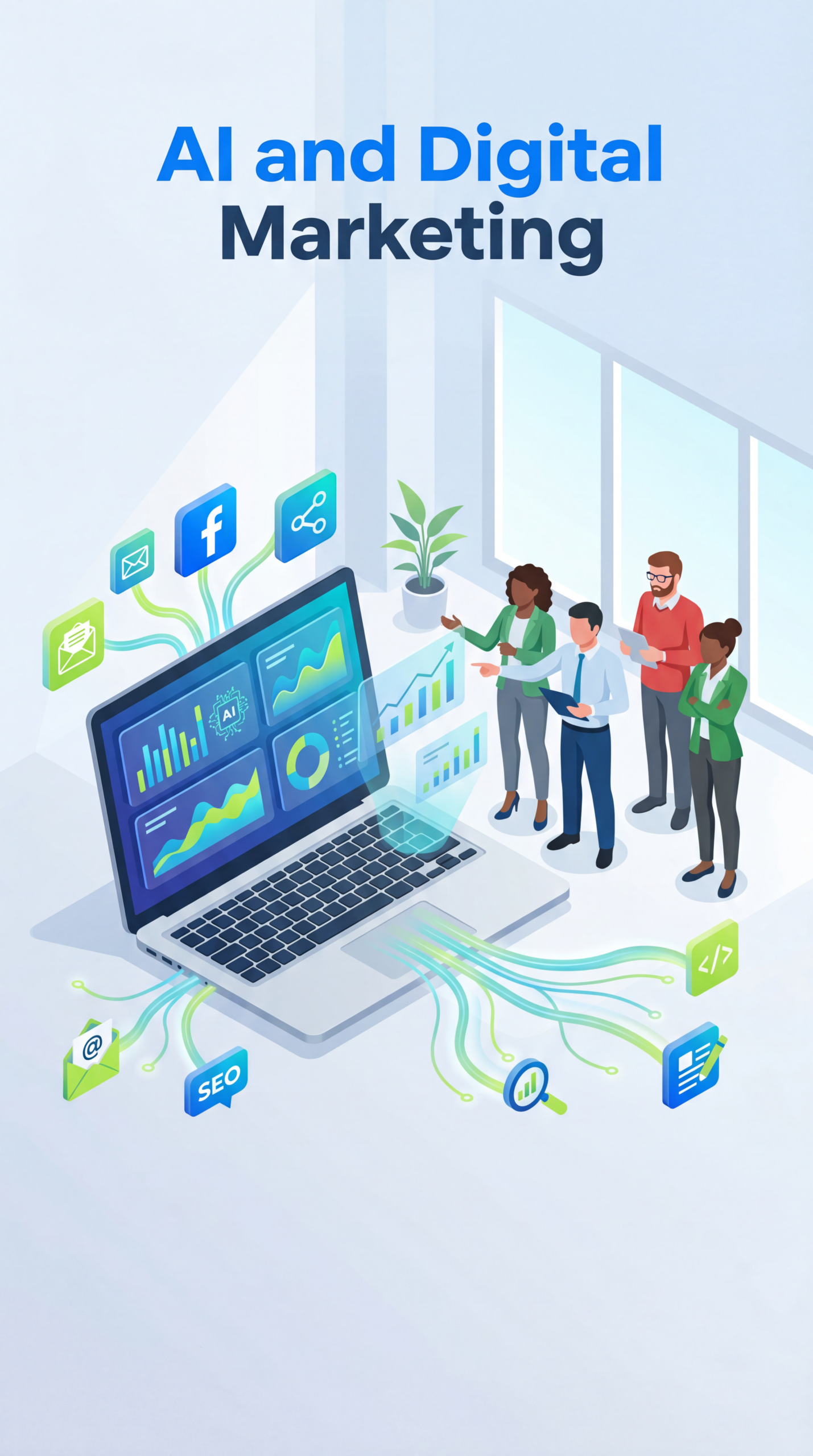
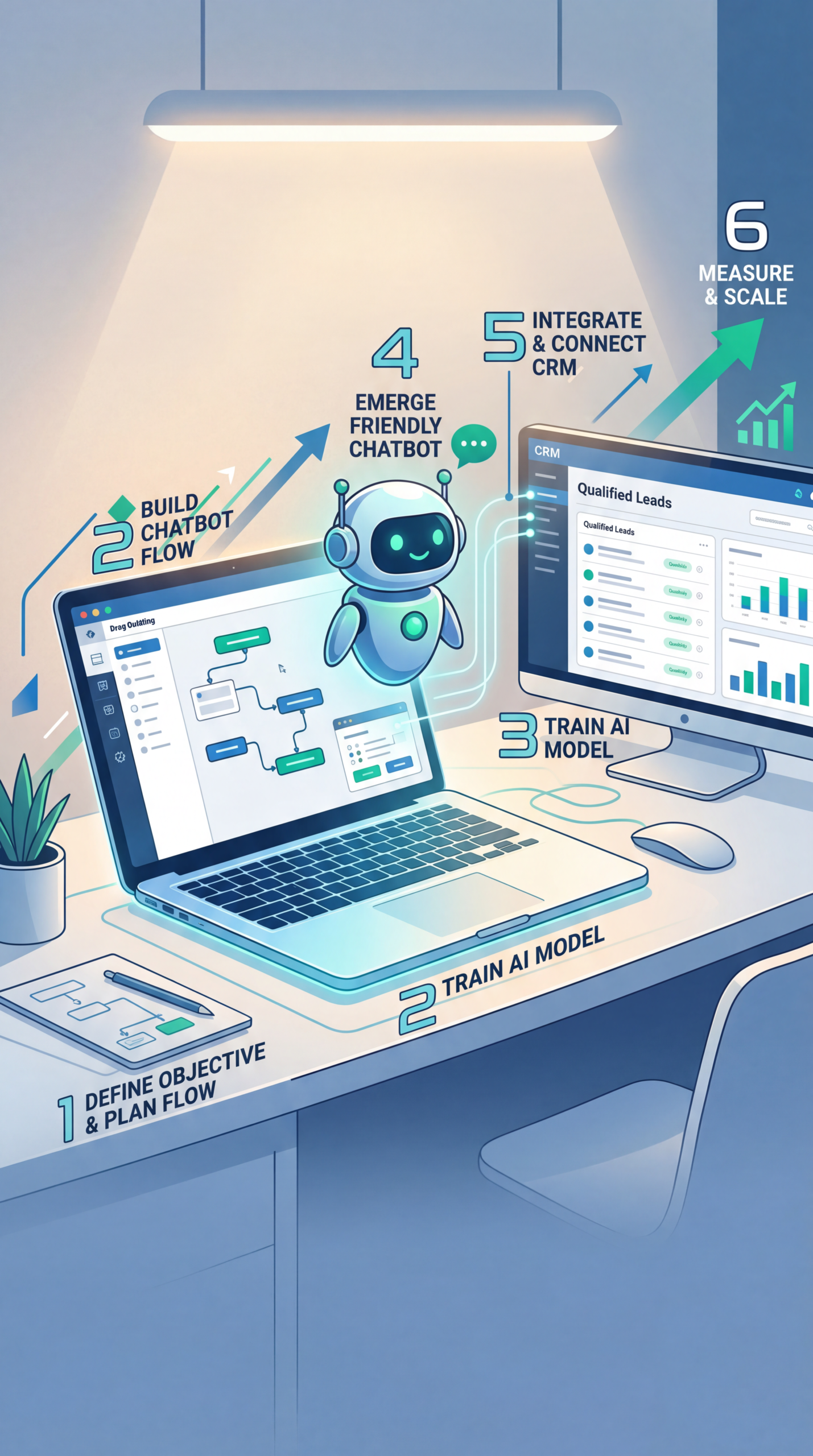
Consider how AI can handle marketing efforts. Instead of manually scheduling social media posts, tools can automate content distribution across multiple platforms. Automated email sequences nurture leads, and personalized recommendations enhance customer engagement. Customer service can be enhanced with AI-powered chatbots that address frequently asked questions, freeing up human agents for complex issues.
Key Areas Where AI Automation Excels
Several areas within a small team can benefit significantly from AI-powered automation. Here are some key examples:
- Customer Relationship Management (CRM): AI can automate data entry, lead scoring, and personalized communication.
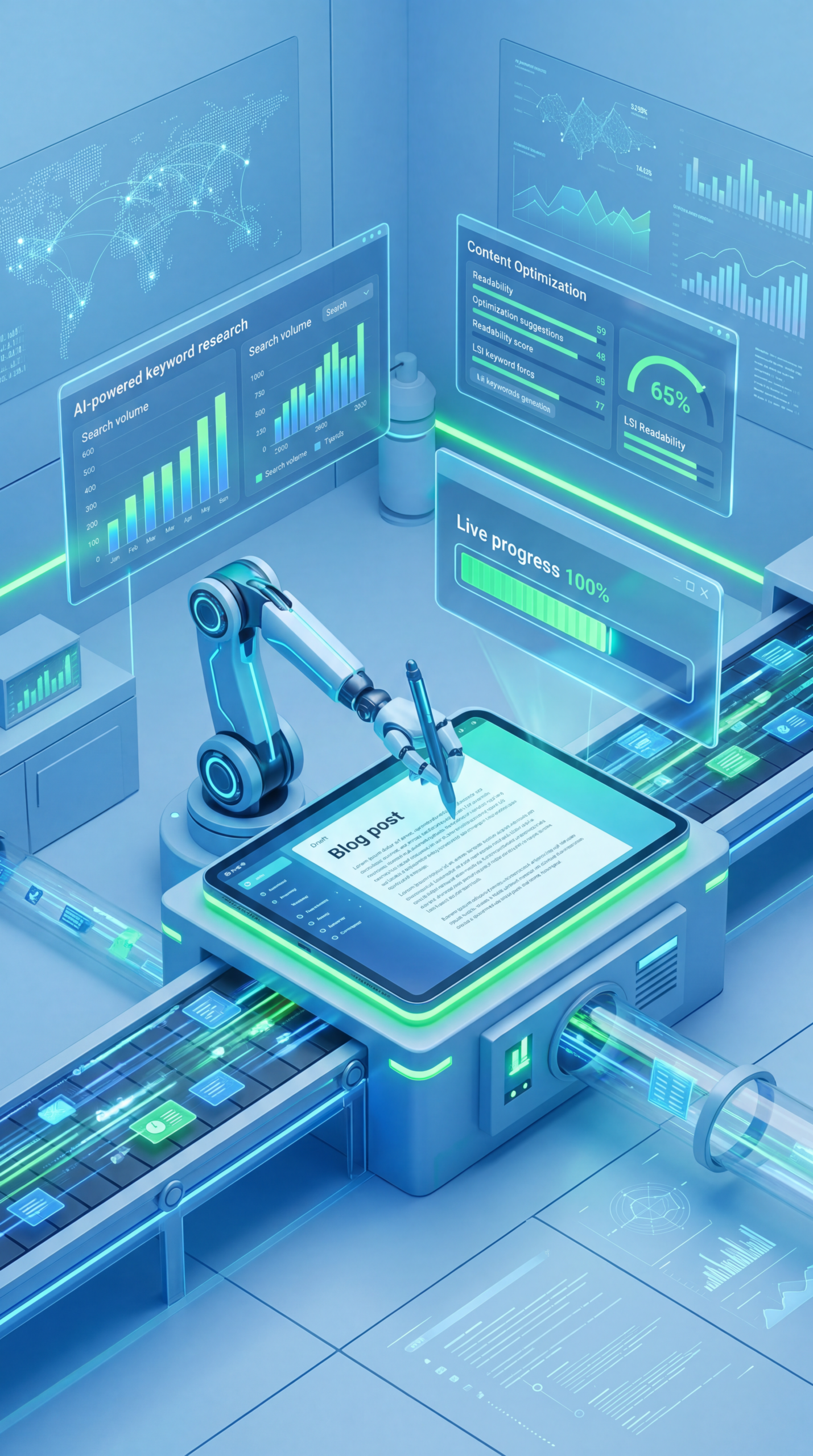
- Content Creation: AI tools can assist with generating blog post ideas, drafting initial content, and creating social media captions.
- Data Analysis: AI algorithms can quickly analyze large datasets, identify trends, and generate insightful reports.
- Project Management: Automation can help with task assignment, progress tracking, and deadline reminders.
- Administrative Tasks: Automate invoice processing, expense tracking, and scheduling meetings.
Finding the right tools is crucial, and it’s a process of experimentation. Many affordable options are available specifically designed for small businesses.
Practical Experience & Real Use Case
Let’s look at a practical scenario. Imagine a small e-commerce company managing its online store and social media presence. Their team is constantly overwhelmed with order fulfillment, customer support queries, and marketing tasks.
Step 1: Identify Repetitive Tasks. First, map out all the repetitive tasks—processing orders, responding to common customer questions, scheduling social media posts.
Step 2: Select Appropriate Tools. They choose a combination of tools: a chatbot for handling basic customer inquiries, an automated email marketing platform, and a social media scheduling tool.
Step 3: Implement the Automation. The chatbot is configured to answer FAQs, the email platform automatically sends welcome emails and abandoned cart reminders, and the scheduling tool pre-populates social media content.
Step 4: Monitor and Adjust. The team monitors performance, analyzes chatbot conversations, and adjusts content for optimal engagement
Common Mistakes (and how to fix them): A common mistake is trying to automate everything at once. Overwhelming the system, or the team, with too much at once can lead to errors and frustration. Instead, start with a few key processes and gradually expand.
Another challenge is neglecting human oversight. AI isn’t perfect, and critical situations will always require human intervention.
Evaluating Your Options: A Quick Comparison
| Feature | Tool A (e.g., Zapier) | Tool B (e.g., Monday.com) | Tool C (e.g., HubSpot) |
|---|---|---|---|
| Primary Focus | Workflow Automation | Project Management | CRM & Marketing |
| Ease of Use | High | Medium | Medium |
| AI Capabilities | Moderate | Basic | Advanced |
| Pricing | Affordable | Moderate | Higher |
| Integration Options | Extensive | Good | Extensive |
When AI Automation Isn’t the Best Fit
While AI automation offers immense potential, it’s not a silver bullet. It’s not the optimal solution for every situation. If your team’s challenges primarily involve complex problem-solving, innovative thinking, or requires high levels of empathy and emotional intelligence (areas where AI currently lags), then focusing solely on automation might not be the most effective approach.
The Future of Work with AI Automation
AI automation is rapidly evolving, with new tools and capabilities emerging constantly. As these technologies become more sophisticated and affordable, they will play an even greater role in helping small teams thrive. By strategically implementing AI-powered solutions, small businesses can enhance their efficiency, improve customer experiences, and unlock new opportunities for growth.
Snippet-Ready Answer:
What’s the quickest way to see results from AI automation for small teams? Start small by automating one or two highly repetitive tasks. Focus on tools that integrate with systems you already use to minimize disruption and maximize impact.
Frequently Asked Questions
Can AI automation replace my employees?
No, AI automation typically complements employees rather than replaces them. It handles routine tasks, freeing up human employees for more complex and strategic work.
What’s the initial investment required for AI automation for small teams?
The initial cost varies greatly depending on the tools chosen. Many affordable options are available, with freemium plans or pay-as-you-go models for small businesses.
How long does it take to implement AI automation?
Implementation timelines vary depending on the complexity of the tasks being automated. Simple automations can be set up in a few hours, while more complex processes may take several weeks.
What types of small businesses benefit most from AI automation tools?
Businesses dealing with high volumes of repetitive tasks—like e-commerce, marketing agencies, and customer service centers—often see the most significant benefits.
Ready to explore how AI automation for small teams can transform your workflow? Share your experiences or questions in the comments below!
Share this content:








Post Comment