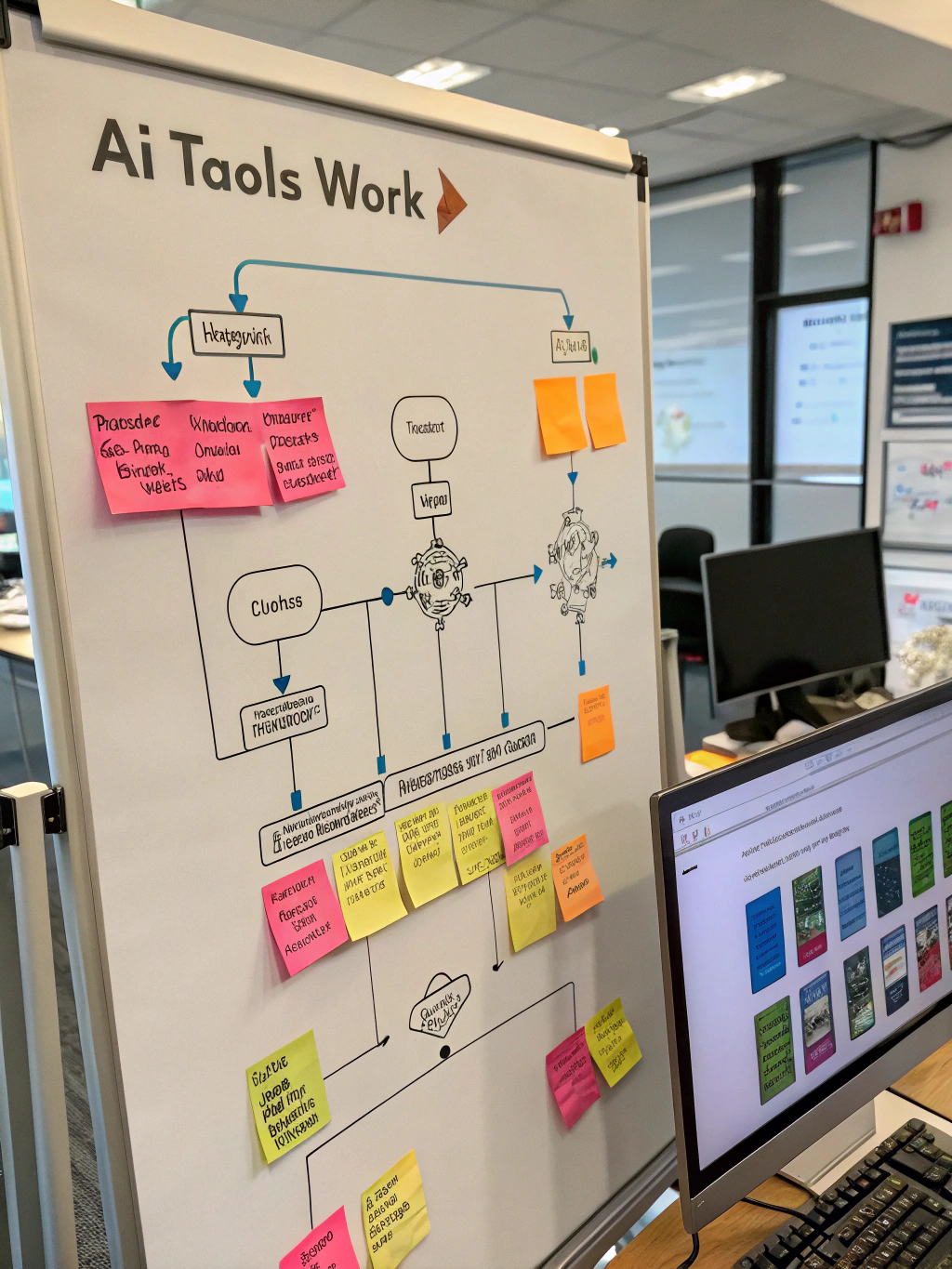
How AI Tools Work in Practice
Unlocking the Potential: Understanding How AI Tools Work
The buzz around artificial intelligence is undeniable, and it’s not just confined to science fiction anymore. Everyday, we’re seeing the impact of sophisticated algorithms in everything from our online shopping experiences to the way professionals manage their work. But have you ever wondered how ai tools work? This article will break down the core principles, explore their diverse applications, and offer practical insights into navigating this rapidly evolving landscape. Understanding the underlying mechanisms will empower you to leverage these powerful technologies effectively.
The Building Blocks: What Powers These Intelligent Assistants?
At its heart, the functionality of most modern AI tools relies on complex mathematical models and vast amounts of data. These models, often referred to as “neural networks,” are inspired by the structure of the human brain. They learn by identifying patterns within data – whether it’s recognizing images, understanding language, or predicting trends. This learning process, known as “training,” involves feeding the model massive datasets and iteratively adjusting its internal parameters to improve accuracy.
There are various types of models, each suited for different tasks. For example, machine learning algorithms excel at identifying correlations and making predictions, while natural language processing (NLP) models are designed to understand and generate human language.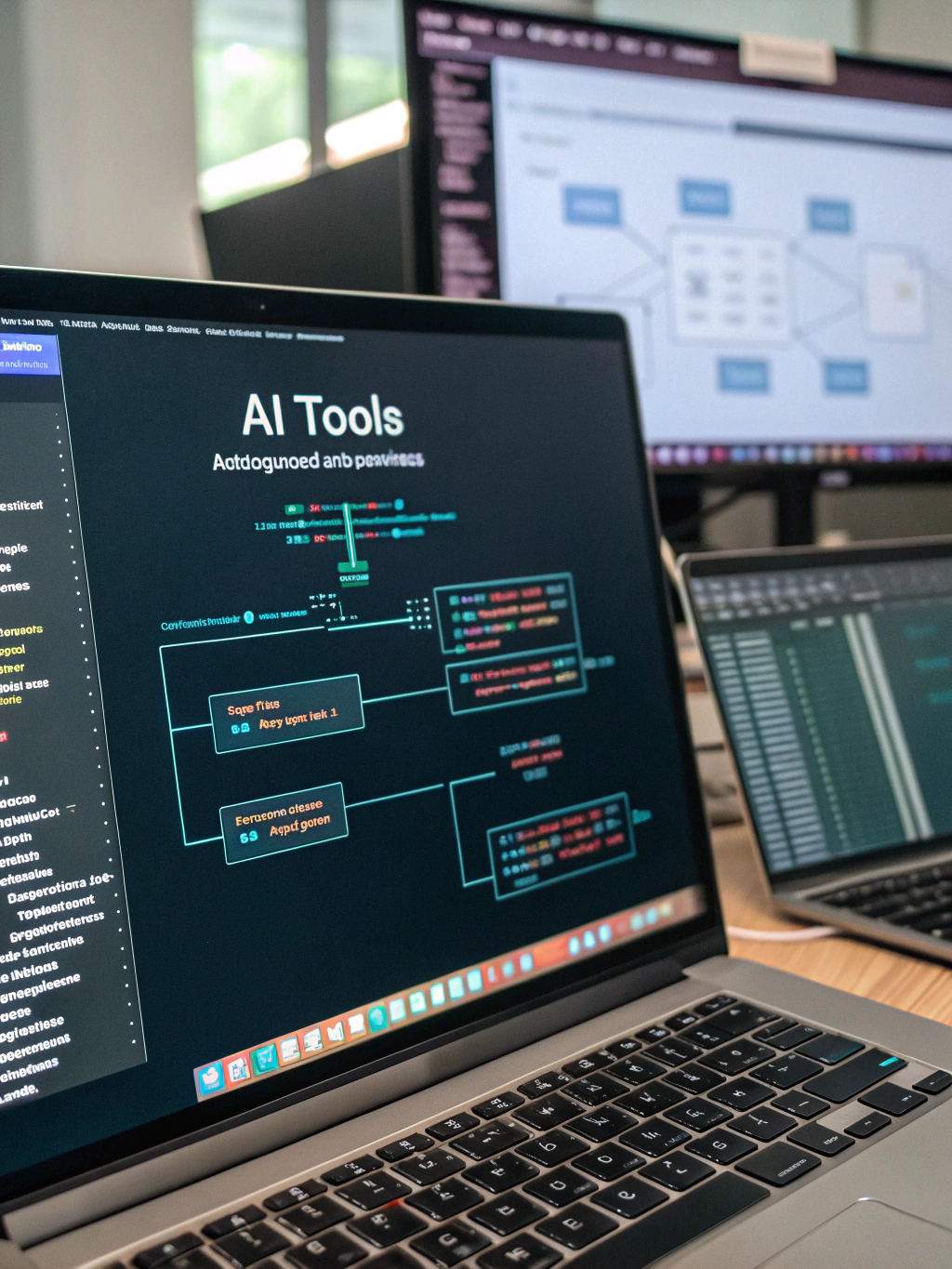
Exploring the Diverse Landscape of AI Applications
The applications of AI tools are remarkably broad and continue to expand. Here are some key areas where you’ll find them making a significant impact:
- Automation: AI excels at automating repetitive tasks, freeing up human time for more strategic endeavors. This can range from data entry and scheduling to customer service responses and content generation.
- Data Analysis: AI algorithms can sift through enormous datasets to identify hidden insights, trends, and anomalies that would be impossible for humans to detect manually. Consider how financial institutions use AI for fraud detection or how retailers analyze customer behavior.
- Personalization: AI powers personalized recommendations for products, content, and services – think of Netflix suggesting your next movie or Amazon recommending items you might like. This enhances user experience and drives engagement.
- Creative Tools: AI is even venturing into creative fields, assisting with tasks like generating images, composing music, and writing text. This opens up exciting possibilities for artists and content creators.
- Business Intelligence: AI tools help businesses gain a competitive edge by analyzing market data, predicting customer needs, and identifying potential risks and opportunities. This is becoming increasingly valuable for strategic decision-making.
ai tools overview provides a strong starting point for anyone curious about the broad possibilities.
Practical Experience & Real Use Case: Streamlining Social Media Management
Let’s look at a practical example: using AI to improve social media engagement. Many small business owners struggle with the time-consuming task of content creation and scheduling.
Scenario: A small bakery wants to boost its Instagram presence but lacks the time for consistent posting and engaging with followers.
Steps:
- Content Generation: Utilize an AI tool specializing in social media content to generate caption ideas and even draft initial post text based on provided keywords or themes. (This is where careful editing is crucial – AI-generated content isn’t always perfect.)
- Hashtag Research: Employ an AI-powered hashtag generator to identify relevant and trending hashtags to increase post visibility. (Avoid using overly generic hashtags, as they can dilute reach.)
- Scheduling & Optimization: Use an AI tool that analyzes optimal posting times for the bakery’s target audience and automatically schedules posts accordingly. (Experiment with different scheduling times to refine performance.)
- Engagement Monitoring: Leverage AI to monitor comments and direct messages, flagging urgent inquiries or negative feedback for prompt attention.
Common Mistakes & Fixes:
- Mistake: Relying solely on AI-generated content without adding a personal touch.
- Fix: Always review and edit AI outputs to ensure they align with the bakery’s brand voice and personality.
- Mistake: Over-automating engagement, resulting in impersonal interactions.
- Fix: Set aside time for manual engagement – responding to comments with genuine interest and participating in relevant conversations.
Limitations and Drawbacks: Not a One-Size-Fits-All Solution
While incredibly powerful, AI tools aren’t without their limitations. One significant constraint is data dependency. The accuracy and effectiveness of an AI model are directly tied to the quality and quantity of data it’s trained on. Biased data can lead to biased outcomes. Furthermore, some AI tools can be expensive, and the learning curve for more complex platforms can be steep.
Another important consideration is the “black box” nature of some AI models. It can be challenging to understand precisely why an AI tool arrives at a particular conclusion, which can be problematic in high-stakes situations. It’s crucial to critically evaluate the results and not blindly trust AI-generated outputs.
| Feature | Tool A (e.g., Grammarly) | Tool B (e.g., Jasper) |
|---|---|---|
| Primary Focus | Grammar & Writing Refinement | Content Generation |
| Data Input | Text | Keywords, Briefs |
| Output Type | Edited Text | Blog Posts, Social Copy |
| Pricing | Freemium/Subscription | Subscription |
| Ease of Use | Very Easy | Moderate |
Frequently Asked Questions
How do algorithms learn within AI tools?
AI tools learn by analyzing large datasets and identifying patterns. They adjust their internal parameters based on this analysis to improve their ability to perform specific tasks over time.
Is AI capable of truly “thinking” or being creative?
Current AI mostly excels at pattern recognition and generating outputs based on learned data. While it can mimic creativity, it doesn’t possess consciousness or genuine understanding like humans.
What are the ethical concerns surrounding the use of AI tools?
Ethical concerns include bias in algorithms, data privacy issues, job displacement, and the potential for misuse of AI technologies.
Can AI tools replace human workers entirely?
While AI can automate many tasks, it’s more likely to augment human capabilities rather than completely replace workers. The demand for uniquely human skills such as critical thinking, emotional intelligence, and complex problem-solving will likely increase.
How can I ensure the data used to train AI tools is reliable?
Evaluate the source and quality of the data used by the AI tool. Look for transparency in the data collection process and be aware of potential biases.
Conclusion: Embracing the Future of Intelligent Assistance
how ai tools work isn’t about replacing human ingenuity; it’s about amplifying it. By understanding the fundamental principles, recognizing the strengths and limitations, and approaching these tools with a critical eye, we can unlock their immense potential to enhance productivity, drive innovation, and solve complex problems. The journey of exploring AI is ongoing, and staying informed is key to navigating this exciting frontier.
What are your experiences with AI tools? Share your thoughts and questions in the comments below! You might also find our article on [related topic link] helpful.
Share this content:













Post Comment