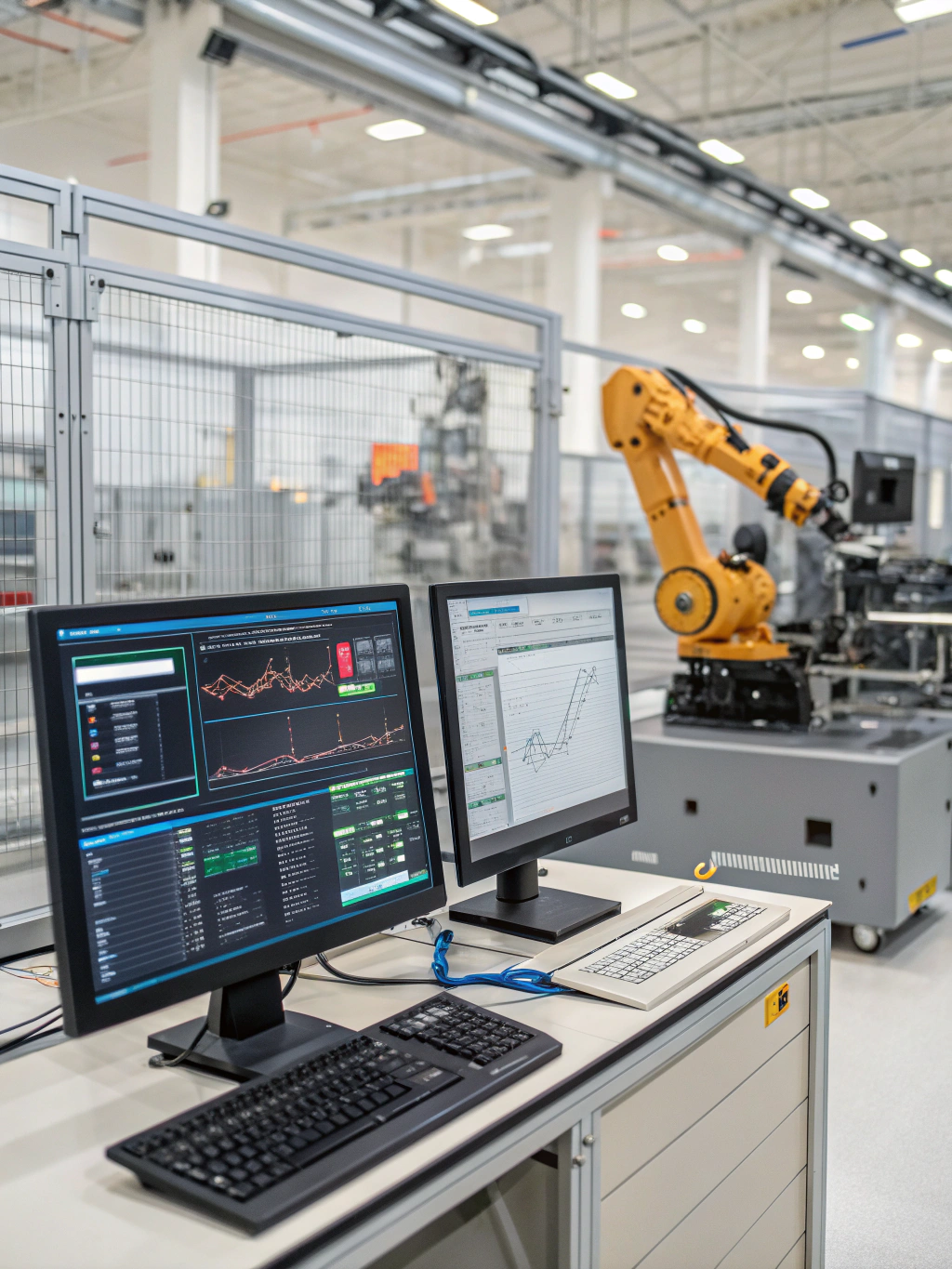
How to Automate System Monitoring Using AI (Alerts, Logs & Insights)
The Future is Now: AI Monitoring Automation for a Dynamic World
The world is moving at warp speed, and staying ahead requires agility, data-driven insights, and proactive risk management. In today’s interconnected landscape, from volatile cryptocurrency markets to rapidly evolving AI applications, businesses face unprecedented complexity. This is where ai monitoring automation steps in as a game-changer. It’s no longer a futuristic concept; it’s a critical necessity for survival and success. This blog post will explore how leveraging AI to monitor systems, investments, and emerging technologies can provide a competitive edge. We’ll delve into practical applications, emerging trends, and the tools available to help you navigate this rapidly changing world.
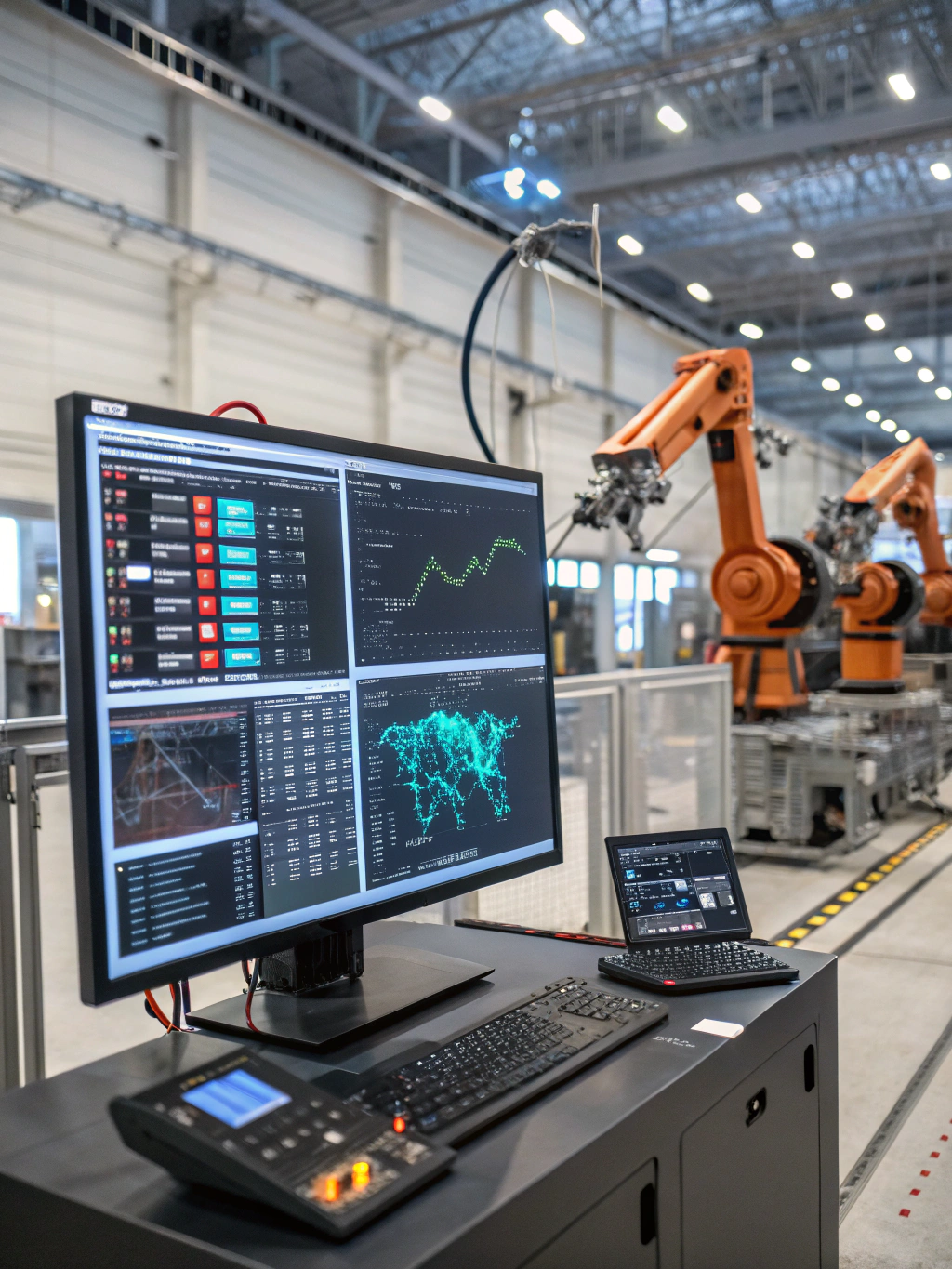
The Expanding Universe of Risk: Why Traditional Monitoring Falls Short
For decades, system monitoring relied on manual processes, threshold alerts, and reactive troubleshooting. While these methods served a purpose, they’re increasingly inadequate for the complexities of the 21st century. Rapid growth in cloud infrastructure, distributed systems, and the rise of AI itself have created a vast and intricate web of dependencies. Trying to manually track every aspect of this ecosystem is not only inefficient but also prone to error.
Consider the cryptocurrency markets – a highly volatile and unpredictable environment. Traditional stock market analysis doesn’t fully capture the speed and nuances of crypto trading. Similarly, AI agents and automation, while promising, can introduce new vulnerabilities if not properly monitored. The sheer volume of data generated by these systems overwhelms human capabilities. This is where system monitoring ai comes in—providing real-time insights and predictive analytics that were previously unattainable.
Beyond Basic Alerts: The Power of AI-Driven Insights
The real power of ai monitoring automation lies in its ability to go beyond simple alerts. It analyzes vast datasets from diverse sources—system logs, network traffic, application performance metrics, and even social media sentiment—to identify patterns, anomalies, and potential risks before they escalate into critical issues.
Here are some key benefits:
- Proactive Problem Detection: AI algorithms can identify subtle deviations from normal behavior that humans might miss, enabling proactive intervention.
- Reduced Downtime: By anticipating issues, organizations can minimize downtime and maintain operational continuity.
- Improved Security: AI can detect and respond to security threats in real-time, strengthening defenses against cyberattacks.
- Optimized Performance: AI can identify bottlenecks and inefficiencies, allowing for optimized resource allocation and performance improvements.
- Enhanced Decision-Making: Actionable insights derived from monitoring data empower informed decision-making across all areas of the business.
AI in Action: Applications Across Diverse Domains
The applications of ai monitoring automation stretch far beyond traditional IT infrastructure. Here’s a look at how it’s transforming various sectors:
- Cryptocurrency Market Monitoring: AI algorithms analyze trading volumes, price fluctuations, social media sentiment, and news articles to identify potential market manipulation, predict price movements, and manage risk. Tools specializing in crypto portfolio tracking and risk assessment are increasingly incorporating AI.
- AI Agent Performance Analysis: Monitoring AI agents’ decision-making processes is crucial. AI monitoring tools can track agent accuracy, identify biases, and ensure ethical use. This is especially important in applications like fraud detection, loan approvals, and customer service.
- Stock Investment Analysis: AI can sift through vast quantities of financial data to identify investment opportunities, assess risk, and personalize investment strategies. Algorithms can analyze market trends, company financials, and news sentiment to generate buy/sell signals.
- Alternative Investment Tracking: Monitoring alternative investments like real estate, private equity, and venture capital requires specialized tools. AI can analyze market data, financial reports, and industry trends to provide valuable insights. This includes assessing the performance of digital asset investments.
- Cloud Infrastructure Management: Maintaining optimal performance and security in cloud environments is complex. system monitoring ai solutions provide automated monitoring of cloud resources, cost optimization recommendations, and anomaly detection to prevent security breaches.
Tools of the Trade: Popular AI Monitoring Platforms
The market is brimming with ai monitoring automation solutions. Here are a few prominent players:
| Platform | Key Features | Pricing Model | Use Cases |
|---|---|---|---|
| Datadog | Comprehensive monitoring & analytics platform | Subscription-based | Cloud infrastructure, application performance, security |
| New Relic | Application performance monitoring & observability | Subscription-based | Application performance, digital experience, cloud monitoring |
| Splunk | Data analytics & security platform | Subscription-based | Security analytics, IT operations, business intelligence |
| Dynatrace | AI-powered observability platform | Subscription-based | Application performance, cloud monitoring, digital experience |
| LogicMonitor | IT infrastructure monitoring & automation | Subscription-based | IT infrastructure, cloud resources, network monitoring |
Choosing the right platform depends on your specific needs, budget, and technical expertise. Factors to consider include the types of systems you need to monitor, the level of AI capabilities offered, and the ease of integration with existing tools.
The Future is Intelligent: Trends to Watch
AI monitoring automation is rapidly evolving. Here are some key trends shaping its future:
- Predictive Analytics: Future platforms will become even better at predicting potential issues before they occur.
- Automated Remediation: AI will automate not only monitoring but also the response to incidents.
- Explainable AI (XAI): Increased efforts will be made to make AI decision-making more transparent and understandable.
- Edge Computing Integration: System monitoring ai will expand to encompass edge devices and IoT deployments.
- Generative AI Enhancement: Using generative AI to create synthetic data for testing monitoring systems and detecting anomalies becomes more relevant.
Taking Control with AI Monitoring Automation
Implementing ai monitoring automation is an investment in the future. By proactively identifying and addressing risks, optimizing performance, and gaining deeper insights, organizations can unlock significant value and maintain a competitive edge in today’s dynamic world. The right solution can transform reactive troubleshooting into proactive management, saving time, resources, and ultimately, your bottom line.
Ready to take the next step? Download our free guide to choosing the right AI monitoring platform for your needs: [Link to a downloadable guide]. Share this post with your network or leave a comment below – we’d love to hear your thoughts on the future of AI-driven monitoring!
Share this content:





Post Comment