
How to Build Your Own AI Personal Assistant
The Future is Now: How AI Personal Assistants Are Revolutionizing Your Life & Investments
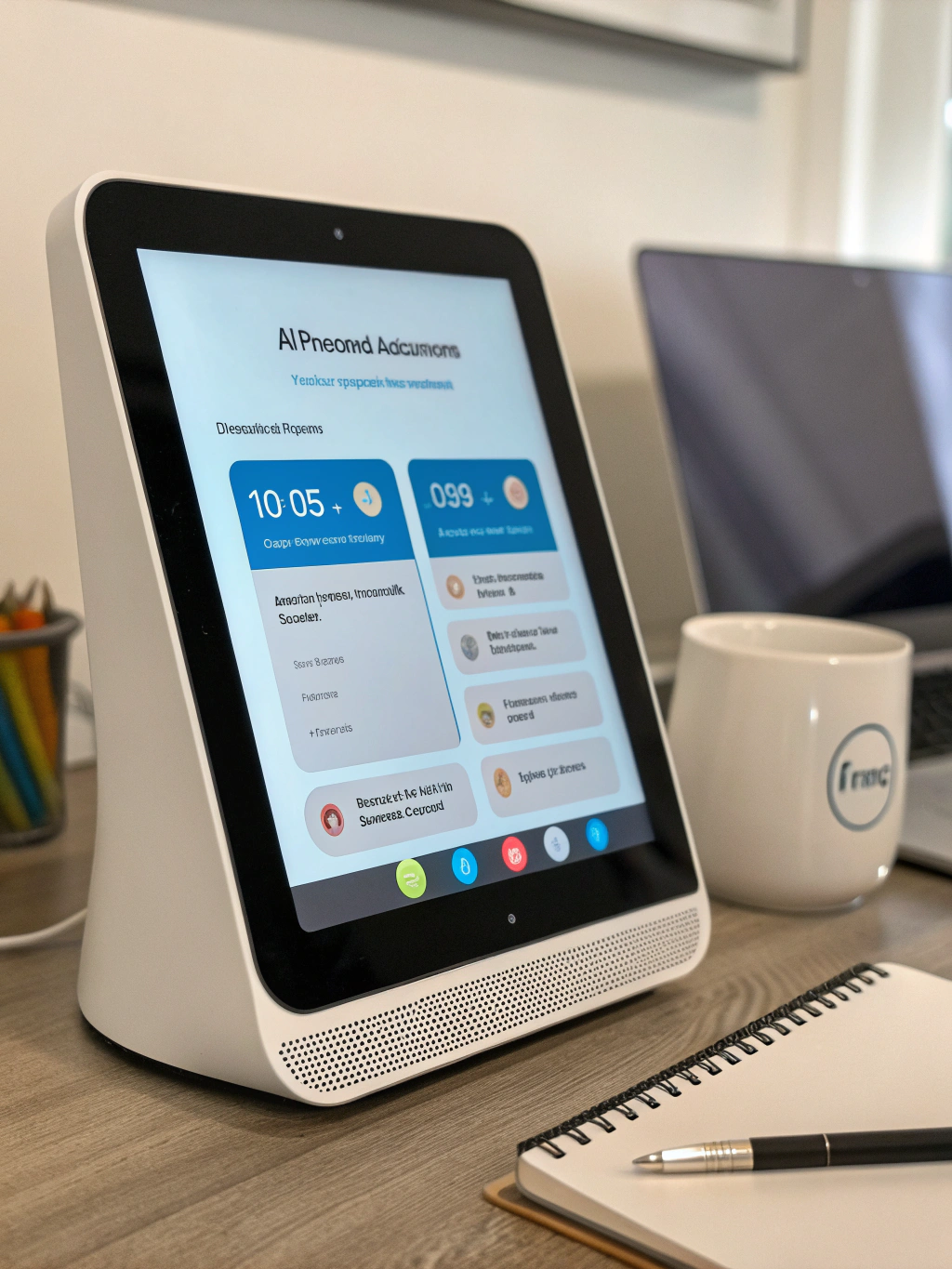
Are you feeling overwhelmed by the constant demands of modern life? Juggling work, personal commitments, and the ever-increasing complexity of the financial markets can be exhausting. What if there was a way to reclaim your time and gain a competitive edge? Enter the age of the ai personal assistant. These sophisticated systems are no longer futuristic fantasies; they are rapidly becoming essential tools for productivity, financial management, and strategic decision-making. From automating mundane tasks to providing real-time market insights, ai personal assistant technology is poised to reshape how we live and invest. And the best part? You can even create ai assistant solutions tailored to your specific needs. This post dives deep into the world of AI assistants, exploring their current capabilities, potential, and practical applications across finance, social media, and beyond.
What Exactly Is an AI Personal Assistant?
An AI Personal Assistant isn’t just a glorified voice assistant. While tools like Siri and Alexa represent a basic level of AI, true ai personal assistants leverage advanced machine learning, natural language processing (NLP), and deep learning to offer a far more comprehensive and personalized experience.
Think of them as digital partners capable of:
- Task Automation: Scheduling appointments, managing emails, setting reminders, booking travel – the endless to-do list shrinks significantly.
- Information Retrieval: Instant access to information, tailored to your interests and needs. Forget endless Google searches.
- Personalized Recommendations: Whether it’s suggesting investment opportunities, curated news feeds, or relevant social media content, AI can anticipate your preferences.
- Proactive Assistance: Anticipating your needs before you even articulate them. For example, an AI assistant might alert you to a potential stock market downturn based on your investment portfolio.
- Content Creation: Drafting emails, summarizing reports, or even generating social media posts—reducing your workload and boosting your efficiency.
The ability to create ai assistant solutions is no longer limited to tech giants. Platforms are emerging that empower individuals and businesses to build custom assistants without extensive coding knowledge.
AI Assistants & Social Media: A Powerful Combination
Social media marketing is a relentless game. Staying ahead requires constant content creation, community engagement, and performance analysis. This is precisely where AI assistants shine.
Here’s how AI is revolutionizing social media:
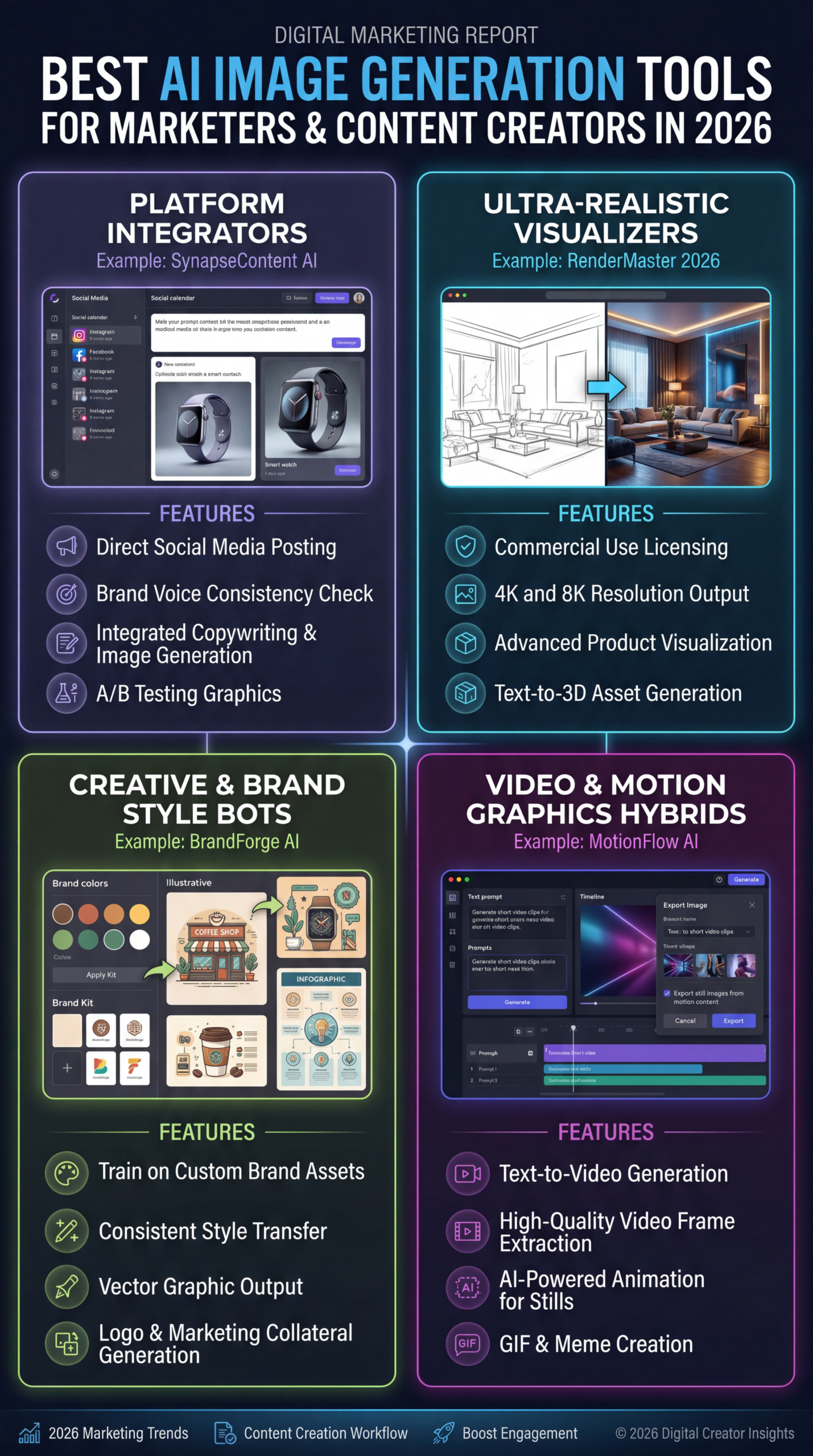
- Content Generation: AI tools can generate engaging captions, hashtag suggestions, and even entire social media posts based on your brand voice and target audience. Many tools are now capable of crafting visually compelling content.
- Audience Analysis: AI analyzes social media data to identify trends, understand audience sentiment, and pinpoint potential influencers.
- Automated Engagement: AI-powered bots can respond to comments and messages, fostering community and providing instant customer service.
- Performance Reporting: AI assistants provide detailed analytics on your social media performance, highlighting what’s working and what isn’t, enabling data-driven optimization. Tools like Hootsuite and Buffer are integrating advanced AI to improve their features.
- Trend Identification: Stay ahead of trends with AI tools that analyze real-time data and predict emerging topics, allowing for timely and relevant content creation.
By automating repetitive tasks and providing data-driven insights, ai personal assistants free up social media managers to focus on strategic initiatives and creative content development.
Navigating the Crypto Markets with AI Assistance
The cryptocurrency market is notoriously volatile and complex. Staying informed and making sound investment decisions requires constant monitoring and analysis. Here’s where AI can provide a significant advantage:
- Real-time Analysis: AI algorithms can analyze market data, identify patterns, and predict price movements with greater speed and accuracy than humans.
- Risk Assessment: AI can assess the risk associated with different cryptocurrencies and investment strategies, helping you make informed decisions. Tools are being developed to quickly analyze the underlying code and smart contracts of DeFi projects.
- Portfolio Optimization: AI can automatically rebalance your cryptocurrency portfolio based on your risk tolerance and investment goals.
- News Sentiment Analysis: AI can analyze news articles, social media posts, and other sources of information to gauge market sentiment and identify potential opportunities and threats.
- Automated Trading: While still evolving, AI-powered trading bots can execute trades automatically based on predefined parameters, eliminating emotional decision-making. Disclaimer: Automated trading carries significant risk.
The rise of sophisticated AI-powered crypto platforms like Coinbase and Binance is making advanced analytical tools more accessible to retail investors.
Alternative Investments & the AI Advantage
Beyond stocks and crypto, alternative investments like real estate, private equity, and art have traditionally been difficult to access and manage. AI assistants are changing that.
- Due Diligence: AI can automate the due diligence process, analyzing vast amounts of data to assess the risks and potential returns of alternative investments.
- Market Research: AI can provide detailed market insights into specific alternative asset classes, identifying promising opportunities.
- Property Valuation: AI-powered tools can accurately estimate the value of real estate properties, assisting with investment decisions.
- Risk Modeling: AI can model the risks associated with alternative investments, helping investors understand the potential downside.
- Deal Sourcing: These assistants can sift through large databases to find potentially fruitful deals, enhancing the search for investment opportunities.
Building Your Own AI Assistant: A Step-by-Step Guide
Curious about how to create ai assistant for your own needs? Here’s a simplified overview of the process:
- Define Your Needs: What tasks do you want your assistant to handle?
- Choose a Platform: Consider platforms like Dialogflow (Google), Amazon Lex, or Microsoft Bot Framework.
- Design the Conversation Flow: Map out how your assistant will interact with users.
- Train the AI: Provide data to train the AI model to understand user requests.
- Integrate with APIs: Connect your assistant to relevant APIs to access information and perform tasks.
| Feature | Basic Voice Assistant (Siri, Alexa) | Advanced AI Personal Assistant |
|---|---|---|
| Data Processing | Limited | Extensive, using ML/NLP |
| Personalization | Basic | Highly personalized |
| Task Complexity | Simple tasks | Complex automation, reasoning |
| Proactive Assistance | Minimal | High, anticipates needs |
| Adaptability | Low | High, learns from interactions |
| Data Privacy | Concerns around data handling | Greater control & encryption |
The Future of AI Assistants: Beyond Automation
The potential of ai personal assistants extends far beyond automation. We’re on the cusp of a truly symbiotic relationship where AI amplifies human capabilities, fostering creativity, innovation, and a more fulfilling life. As AI technology continues to evolve, expect to see even more sophisticated and personalized AI assistants emerge, transforming virtually every aspect of our world.
Ready to Embrace the AI Revolution?
The ai personal assistant isn’t just a technological trend; it’s a paradigm shift. Are you ready to harness its power to streamline your life, enhance your investments, and gain a competitive advantage?
What are your thoughts on AI assistants? Share your experiences and predictions in the comments below! And be sure to share this post with anyone who could benefit from learning more about this game-changing technology. You can also explore related topics and in-depth analysis on our AI blog.
Share this content:







Post Comment