How to Automate Email Marketing Campaigns Using AI Tools & Smart Workflows
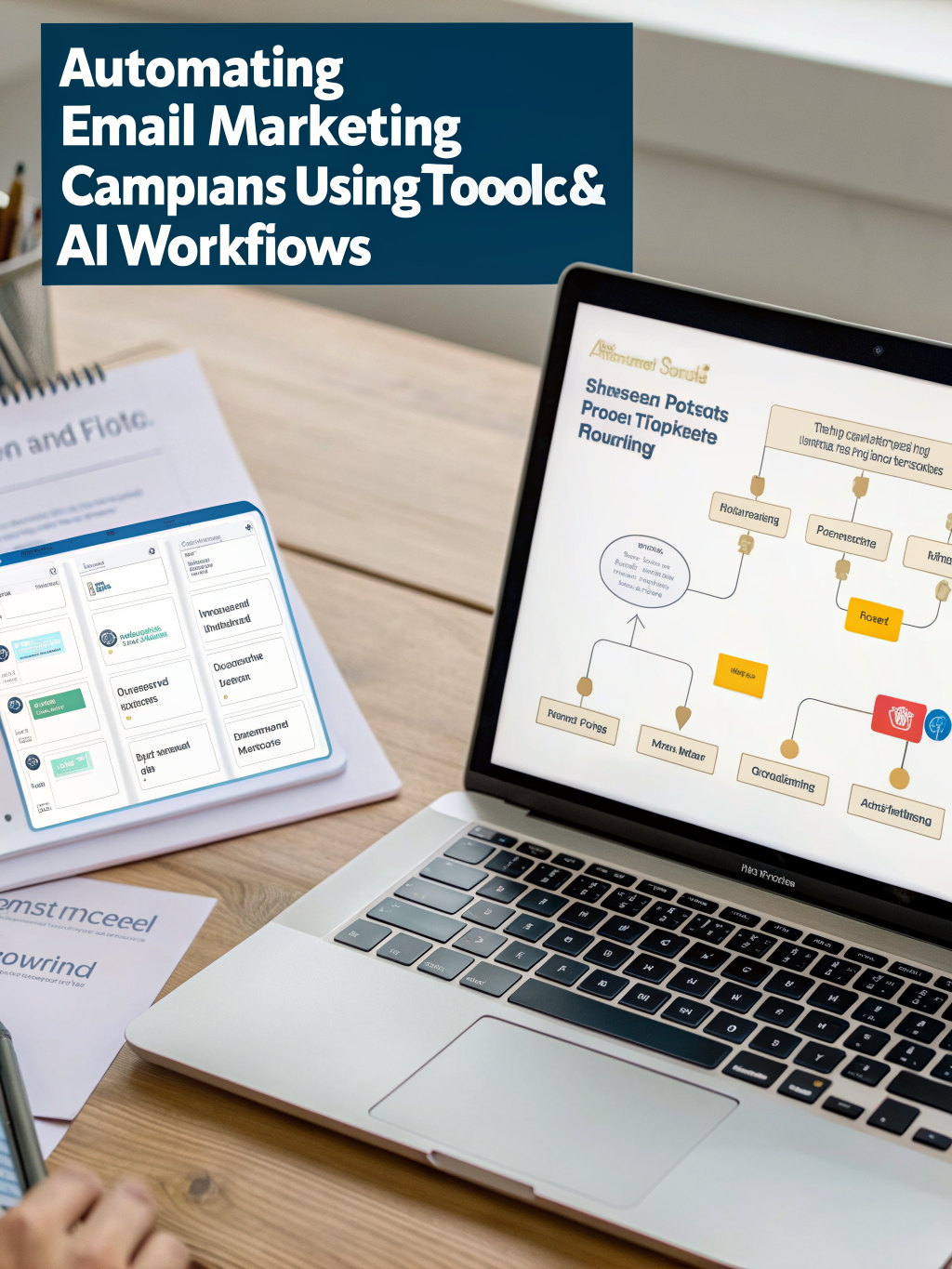
Streamlining Your Outreach: How to Automate Email Marketing Campaigns Using AI Tools and Workflows
In today’s fast-paced digital landscape, consistent and personalized communication is key to nurturing leads and driving sales. But manually managing email marketing campaigns can be time-consuming and resource-intensive. That’s where intelligent automation comes in. This post dives into how to automate email marketing campaigns using ai tools and workflows, exploring practical strategies, powerful tools, and real-world applications to help you boost engagement and efficiency. We’ll cover everything from segmentation to content personalization, empowering you to create impactful journeys without the endless manual effort. The goal is to demonstrate how leveraging technology can unlock the true potential of your email efforts.
The Power of Automation: Why It Matters
Automated email marketing isn’t just about sending out scheduled messages; it’s about crafting dynamic, relevant experiences for each subscriber. It allows you to trigger actions based on user behavior, personalize content at scale, and streamline your overall marketing process. Think about it: welcoming new subscribers with a tailored onboarding sequence, re-engaging inactive leads with targeted offers, or nurturing potential customers through the sales funnel with timely information. These automated processes free up your time to focus on higher-level strategic initiatives.
Building Your Automated Email Workflow: A Step-by-Step Guide
Creating effective automated email workflows requires careful planning and a strategic approach. Here’s a breakdown of the key steps:
Define Your Goals: What do you want to achieve with your automated campaigns? Are you aiming to increase sales, generate leads, improve customer retention, or something else? Clearly defined goals will guide your strategy and help you measure success.
Segment Your Audience: Generic emails are often ignored. Segment your email list based on demographics, purchase history, website behavior, or engagement levels. This allows you to deliver more relevant content to specific groups. Tools like Mailchimp offer robust segmentation capabilities.
Map Out Your Customer Journey: Visualize the different stages a customer goes through, from initial awareness to becoming a loyal advocate. Identify key touchpoints where automated emails can provide value.
Choose Your Automation Tool: Select an email marketing platform that offers automation features, segmentation tools, and integration capabilities with other marketing technologies.
Design Your Email Sequences: Craft compelling email content that aligns with each stage of the customer journey. Focus on providing value and solving problems for your subscribers.
Key AI-Powered Features for Enhanced Automation
The rise of artificial intelligence has revolutionized email marketing automation. AI tools can enhance personalization, optimize send times, and even generate email content. Here are some powerful features to consider:
- Predictive Analytics: AI algorithms can analyze subscriber behavior to predict future actions, allowing you to send timely and relevant messages.
- Personalized Content Recommendations: AI can recommend products, articles, or other content based on individual subscriber preferences.
- Smart Send Times: AI can identify the optimal time to send emails to each subscriber, maximizing open and click-through rates.
- Automated A/B Testing: AI can automatically test different email variations to identify the most effective approaches.
- Content Generation: Some advanced platforms are starting to offer AI assistance in drafting email subject lines and even body copy.
Practical Experience & Real Use Case
Let’s consider a small e-commerce business selling handcrafted jewelry. A common scenario is on-boarding new subscribers. Here’s how they could implement an automated workflow:
- Trigger: A new subscriber joins the email list.
- Email 1 (Immediately): A welcome email thanking them for subscribing, offering a small discount for their first purchase, and highlighting the brand story.
- Email 2 (3 days later): An email showcasing the most popular jewelry pieces and linking to relevant product categories.
- Email 3 (7 days later): An email featuring a customer testimonial and a behind-the-scenes look at the jewelry-making process.
Common Beginner Mistakes:
- Sending too many emails too quickly: This can overwhelm subscribers and lead to unsubscribes.
- Failing to segment your audience: Sending the same message to everyone can feel impersonal and irrelevant.
- Neglecting mobile optimization: Many subscribers read emails on their phones, so ensure your emails are responsive.
Fixing the Mistakes:
- Implement a welcome series with a reasonable frequency (e.g., one email every 3 days).
- Segment your list based on interests or purchase history.
- Test your emails on different devices to ensure they look good on all screen sizes.
Limitations and When Automation Isn’t the Best Approach
While powerful, even the best automated workflows have limitations. Over-reliance on automation can lead to a lack of genuine human connection. For highly complex customer interactions, or when dealing with sensitive issues, a personalized, manual approach is often more effective. Also, overly rigid automation can feel impersonal. It’s crucial to strike a balance between automation and human touch.
| Feature | Mailchimp | Klaviyo | ActiveCampaign |
|---|---|---|---|
| Segmentation | Good, with basic tags and lists | Excellent, behavioral and purchase-based | Very Robust, conditional logic, predictive |
| Automation | Solid, visual workflow builder | Powerful, personalized flows | Advanced, complex branching capabilities |
| AI Features | Basic personalization recommendations | Strong personalization and product recommendations | Predictive sending, content suggestions |
| E-commerce Focus | Good | Excellent, specifically designed for e-commerce | Good, but may require more setup for e-commerce |
| Pricing | Free plan available, tiered pricing | Paid plans only, volume-based pricing | Tiered pricing, based on contact count |
Your Inbox: A Quick Win
Key Question: How can I automatically send follow-up emails to website visitors who abandoned their shopping carts?
Snippet-Ready Answer: Set up an abandoned cart automation using your email marketing platform. Trigger an email 1-2 hours after abandonment, reminding them of the items and offering assistance. A second reminder can be sent 24 hours later.
Future of Email Automation
The future of email marketing is intertwined with artificial intelligence and machine learning. Expect to see even more sophisticated features, such as dynamic content that adapts in real-time, AI-powered content creation tools, and hyper-personalization based on individual customer preferences.
Frequently Asked Questions
How do I ensure my automated email campaigns don’t get marked as spam?
Maintain a clean email list by regularly removing inactive subscribers. Authenticate your email domain (SPF, DKIM, DMARC) and avoid using spam trigger words in your subject lines and content.
What’s the best way to personalize automated email campaigns?
Utilize segmentation to send targeted messages based on subscriber behavior and preferences. Leverage dynamic content to display personalized information within your emails, such as names, product recommendations, or location-specific offers.
How often should I send automated emails?
The optimal frequency varies depending on the type of campaign and your audience. Welcome series can be daily or every other day, while promotional campaigns might be weekly or bi-weekly. Avoid overwhelming subscribers with too many emails.
Can I integrate my automation tool with other platforms, like my CRM?
Yes, most email marketing platforms offer integrations with popular CRMs, e-commerce platforms, and other marketing tools. This enables you to sync data and create more personalized and targeted campaigns.
What resources are available to help me learn more about automated email marketing?
Many email marketing platforms offer extensive documentation, tutorials, and webinars. You can also find valuable resources on industry blogs and online forums.
Conclusion
Automating your email marketing campaigns using AI tools and workflows is no longer a luxury, but a necessity for businesses seeking to thrive in the modern digital landscape. By strategically implementing automation, you can create more personalized, relevant, and impactful customer experiences, ultimately driving engagement and achieving your business goals.
Ready to take your email marketing to the next level? Share your thoughts, questions, or experiences with automated campaigns in the comments below! You can also explore our related articles on Email List Building Strategies and Customer Relationship Management.
Share this content:







Post Comment