How to Automate Audio Transcription Using AI
The Sound of the Future: How AI Audio Transcription is Revolutionizing Business & Investing
The world is getting louder. From podcasts and webinars to online meetings and voice memos, audio data is exploding. But unlocking the valuable information within all that sound can be a monumental task. Enter ai audio transcription – a game-changing technology poised to transform how businesses operate and how investors analyze markets. This powerful tool, often synonymous with automate audio-to-text, is no longer a futuristic concept; it’s a practical reality reshaping workflows and creating new opportunities. In this post, we’ll dive deep into the rapidly evolving landscape of AI audio transcription, explore its applications across various sectors, and discuss its potential impact on everything from crypto markets to stock investments. We’ll also examine the emerging role of AI agents and automation in streamlining this process.
Why is AI Audio Transcription So Important Now?
The rise of remote work and digital content has created an unprecedented need for efficient audio-to-text solutions. Manually transcribing audio files is time-consuming, expensive, and prone to errors. That’s where AI steps in, offering a fast, accurate, and scalable alternative. Modern ai audio transcription leverages sophisticated deep learning models to analyze audio, identify speakers, and convert speech into text with remarkable precision.
Here’s a look at why it’s becoming indispensable:
- Increased Efficiency: AI can transcribe hours of audio in minutes, significantly accelerating workflows.
- Cost Reduction: Eliminating the need for manual transcription services drastically lowers operational expenses.
- Improved Accessibility: Transcriptions make audio content accessible to a wider audience, including those with hearing impairments.
- Enhanced Searchability: Text transcriptions allow for easy searching and indexing of audio content, making information readily available.
- Data-Driven Insights: Transcribed audio data can be analyzed to extract valuable insights, such as sentiment analysis and key topics discussed.
The accessibility of tools like automate audio-to-text is particularly exciting, putting powerful technology into reach for individuals and businesses alike.
AI Audio Transcription: Applications Across Industries
The reach of ai audio transcription extends far beyond simple note-taking. Here’s how it’s being utilized across different industries:
- Media & Entertainment: Generating subtitles and captions for videos, transcribing podcasts, and creating searchable archives of audio content. Platforms like Descript are becoming increasingly popular for editors.
- Business & Finance: Transcribing meetings, webinars, and conference calls for record-keeping, analysis, and knowledge sharing. This is crucial for compliance and legal purposes.
- Healthcare: Automating the transcription of doctor-patient conversations and medical notes, improving documentation accuracy and freeing up clinicians’ time. HIPAA compliance is paramount here.
- Legal: Transcribing depositions, court proceedings, and legal interviews for evidence analysis and case preparation.
- Education: Providing transcripts of lectures and discussions for students with disabilities, and creating accessible learning materials.
AI Audio Transcription & the Crypto Landscape
The cryptocurrency market is fueled by constant news, interviews, and community discussions. Staying on top of these conversations can be overwhelming. AI audio transcription is helping investors and analysts process this information more effectively.
- Sentiment Analysis: Tools can analyze transcribed crypto-related audio to gauge market sentiment, identifying positive or negative trends based on speaker tone and language.
- News Monitoring: Automatically transcribing crypto-related news broadcasts and podcasts to stay informed about market developments in real-time. Utilizing platforms like Otter.ai makes this efficient.
- Expert Analysis: Transcribing interviews with industry experts to glean insights and predictions about the future of various cryptocurrencies and blockchain technologies. Many financial news sites now incorporate this.
- Community Engagement: Transcribing AMAs (Ask Me Anything) sessions on platforms like Discord and Telegram to analyze community sentiment and identify emerging trends.
This is particularly valuable in a rapidly evolving sector where accurate and up-to-date information is crucial for informed decision-making. Understanding the nuances of human communication – a skill AI is continually improving – allows for deeper analysis of investment sentiment.
AI Agents, Automation, and the Future of ai audio transcription
The next frontier in ai audio transcription is the integration of AI agents and automation. These intelligent assistants can not only transcribe audio but also perform other tasks, such as:
- Automatic Summarization: Generating concise summaries of transcribed audio, highlighting key takeaways. Tools like SummarizeBot are making this easier than ever.
- Speaker Identification & Attribution: Accurately identifying and attributing spoken words to specific speakers.
- Keyword Extraction: Identifying relevant keywords and topics discussed in the audio.
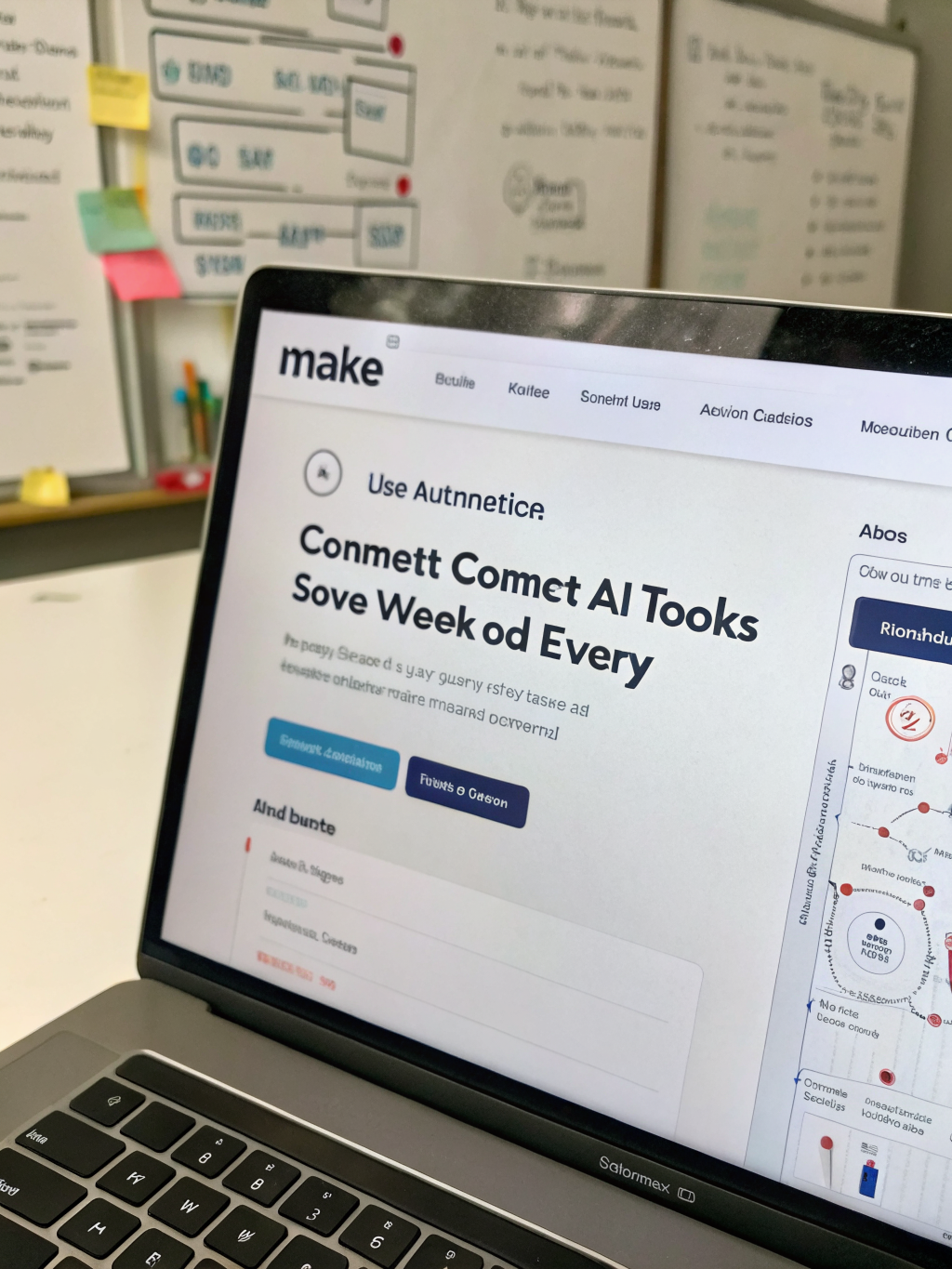
- Automated Workflow Integration: Integrating transcription workflows with other business systems, such as CRM and project management tools.
This level of automation will further streamline the transcription process and unlock even greater value from audio data. The advancements in Large Language Models (LLMs) are driving this progress, making it possible for AI to understand context and generate more accurate and nuanced transcriptions.
Comparing AI Transcription Tools
| Feature | Otter.ai | Descript | Trint | Happy Scribe |
|---|---|---|---|---|
| Accuracy | High | Very High | High | Good |
| Speed | Fast | Fast | Fast | Moderate |
| Features | Collaboration | Powerful Editing | Detailed Export | Global Coverage |
| Pricing | Freemium | Subscription | Subscription | Pay-per-minute |
Beyond Transcription: The Power of Data Analysis
It’s not just about getting the words on paper. The transcribed audio data itself holds immense potential. AI-powered natural language processing (NLP) can be used to:
- Analyze Sentiment: Determine the emotional tone of the speaker.
- Identify Key Themes: Extract the most important topics discussed.
- Track Trends: Monitor changes in language and sentiment over time.
The Future is Vocal – are you listening?
AI audio transcription is rapidly evolving from a niche technology to an essential tool for businesses and individuals alike. Its applications are vast, its potential is limitless, and its impact on how we consume and analyze information is undeniable. As AI agents become more sophisticated and automation capabilities expand, we can expect even greater innovation in this field. The ability to seamlessly convert audio into text and unlock the insights hidden within is becoming a cornerstone of success in the modern digital landscape.
Ready to explore the possibilities of AI audio transcription?
- Share this post with your network.
- Leave a comment below with your thoughts on the future of audio technology.
- Check out these resources for learning more about automate audio-to-text.
Share this content:





Post Comment