How AI Automation Works: Explained
Demystifying the Engine: How AI Automation Works
The buzz around artificial intelligence is undeniable, and much of it revolves around automation. But what does how ai automation works truly entail? It’s not about sentient robots taking over the world, but rather sophisticated algorithms working tirelessly behind the scenes to streamline processes, enhance efficiency, and unlock new possibilities across various industries – from finance and marketing to even personal productivity. This article will break down the core mechanisms of automation, explore its applications, and offer practical insights into navigating this rapidly evolving landscape.
Understanding the Core Principles of Automation
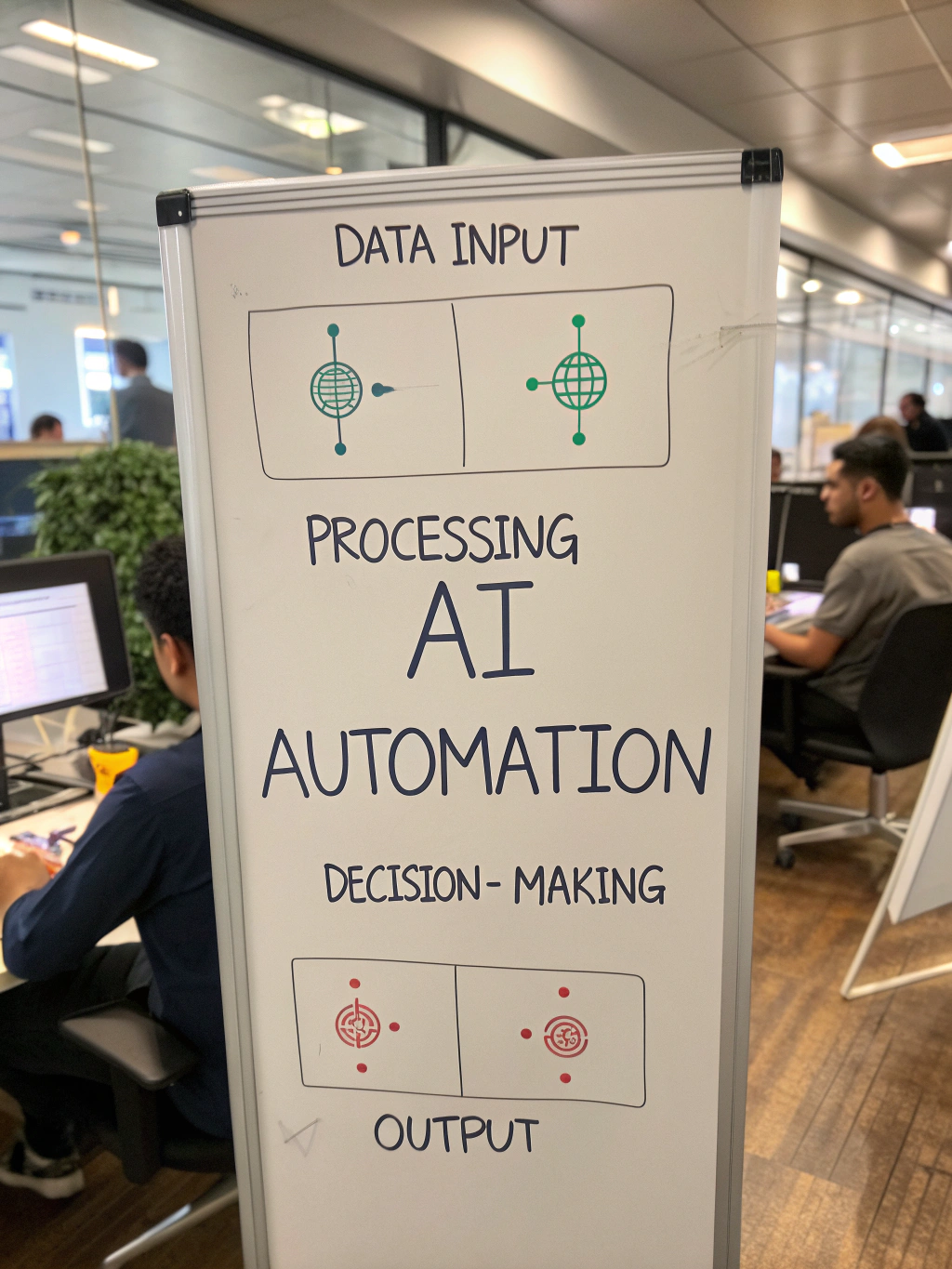
At its heart, automation involves using technology to perform tasks with minimal human intervention. This isn’t a new concept – think of assembly lines in manufacturing. However, modern automation leverages advanced computational techniques to handle increasingly complex and nuanced duties. The fundamental steps in an automation process generally involve:
- Data Input: The system receives data – this could be structured data from databases, unstructured data from documents, or real-time data from sensors.
- Rule Definition/Learning: This stage defines the logic or learns patterns to be followed. For rule-based automation, these are pre-programmed instructions. With machine learning, the system learns from data to make decisions without explicit instructions.
- Action Execution: Based on the defined rules or learned patterns, the system performs the designated action – this could be sending an email, updating a spreadsheet, executing a trade, or generating a report.
- Monitoring and Feedback: The system tracks its performance and provides feedback, allowing for adjustments and improvements to the automation workflow.
The Rise of Intelligent Automation
Traditional automation often relied on pre-set rules. But the evolution towards intelligent automation introduces capabilities that mimic human cognitive functions. This involves techniques like natural language processing (NLP), computer vision, and machine learning, enabling systems to understand context, adapt to changing situations, and make smarter decisions. For instance, an intelligent automation system in customer service can understand the sentiment in a customer’s message and route it to the appropriate support agent – a capability far beyond simple rule-based systems.
Automation Across Key Markets
The impact of automation is being felt across several sectors:
- Finance: Algorithmic trading, fraud detection, and automated report generation are becoming increasingly common.
- Social Media: Tools can schedule posts, analyze audience engagement, and even respond to basic inquiries.
- Crypto Markets: Bots can execute trades based on predefined strategies and market conditions.
- Stock Investing: Automated portfolio rebalancing and robo-advisors are democratizing investment management.
- Alternative Investments: Platforms are using automation to streamline due diligence and investment processes for areas like private equity and real estate.

Practical Experience & Real Use Case
Let’s consider a small business owner who wants to automate their social media marketing. The automation process might look like this:
- Tool Selection: The owner chooses a social media management platform like Buffer or Hootsuite.
- Content Scheduling: They create a content calendar and schedule posts for the week.
- Engagement Automation: The platform is configured to automatically respond to comments with pre-written replies (e.g., “Thanks for your comment!”).
- Performance Analytics: The owner regularly reviews the platform’s analytics to track engagement and adjust their content strategy.
Common Beginner Mistakes: A frequent mistake is over-automating and losing the personal touch. Generic, robotic responses can alienate followers. Fix: Personalize responses where possible and ensure automated interactions don’t replace genuine engagement. Another pitfall is failing to monitor the automated workflows; if a scheduled post fails, it can go unnoticed. Fix: Set up alerts and regularly check the platform’s activity.
Limitations and Drawbacks
While promising, how ai automation works isn’t a silver bullet. One significant limitation is the reliance on data quality. If the data fed into an automated system is flawed or biased, the outcomes will likely be flawed too. Furthermore, complex, unpredictable situations often require human judgment that current automation struggles to replicate. There can also be initial setup costs and ongoing maintenance required. It’s essential to understand that automation is a tool, and like any tool, it requires careful planning and management.
| Feature | Rule-Based Automation | Intelligent Automation |
|---|---|---|
| Decision Making | Pre-defined rules | Learns from data |
| Adaptability | Limited | High |
| Complexity | Simple | Complex |
| Data Dependency | Low | High |
| Cost | Generally lower | Generally higher |
Snippet-Ready Answer
Intelligent automation enhances traditional workflows by incorporating learning capabilities to handle more complex and dynamic tasks. This allows systems to adapt to new information and make more sophisticated decisions autonomously.
Where to Learn More
If you’re interested in diving deeper, Datacamp offers excellent tutorials on building intelligent automation systems. automation process resources are readily available online.
Frequently Asked Questions
What are the key components that enable AI automation?
The core components include data processing, rule definition (or machine learning algorithms), action execution, and continuous monitoring for improvement of the automation workflow.
Can automation replace all human jobs?
No, while automation can handle repetitive tasks, it’s unlikely to replace all jobs entirely. Many roles require uniquely human skills like critical thinking, creativity, and complex emotional intelligence.
What is the difference between robotic process automation (RPA) and AI automation?
RPA focuses on automating repetitive, rule-based tasks, while AI automation uses machine learning and other advanced techniques to handle more complex and unstructured data. AI is generally more adaptable than RPA.
How do I get started with automating tasks in my business?
Start by identifying repetitive, time-consuming tasks. Then, research available automation tools and platforms that fit your needs and budget. Consider starting with a pilot project to test the waters.
Is AI automation expensive to implement?
The cost can vary greatly. Simple rule-based automation can be relatively inexpensive, while more sophisticated AI automation systems can have significant upfront and ongoing costs.
Conclusion
The world of how ai automation works is dynamic and ever-evolving. By understanding the core principles, potential benefits, and limitations, businesses and individuals can strategically leverage automation to improve efficiency, gain a competitive edge, and free up time for more strategic endeavors. The key is to approach automation thoughtfully, focusing on areas where it can provide the most value and ensuring a human-centered approach to implementation.
What are your thoughts on automation? Share your experiences or questions in the comments below! You might also be interested in our post on social media automation tools.
Share this content:












Post Comment