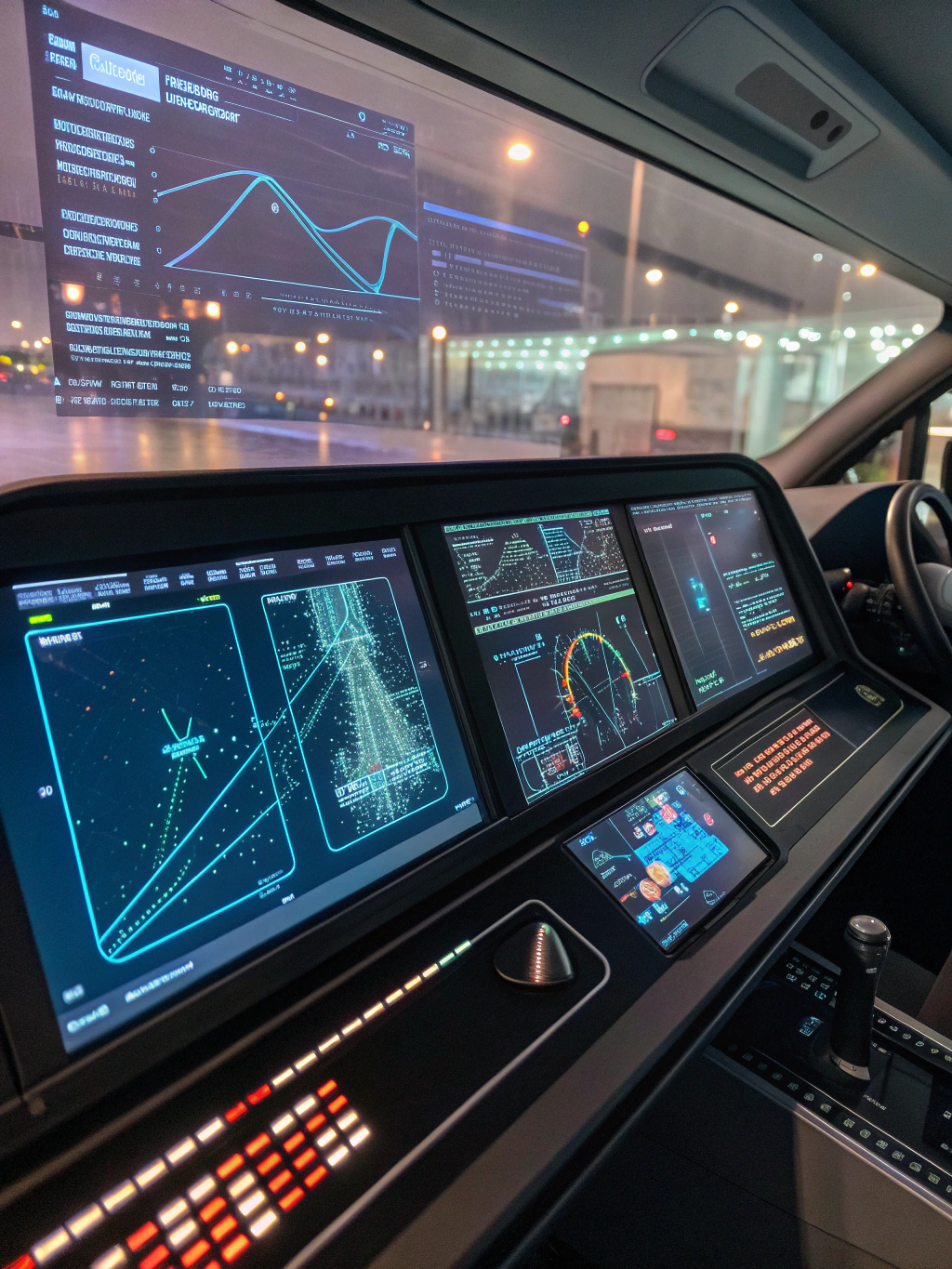
Driverless Revolution: How AI Algorithms Are Steering the Future of Autonomous Vehicles
The Future is Now: How Autonomous Driving Artificial Intelligence Algorithms Are Reshaping Industries
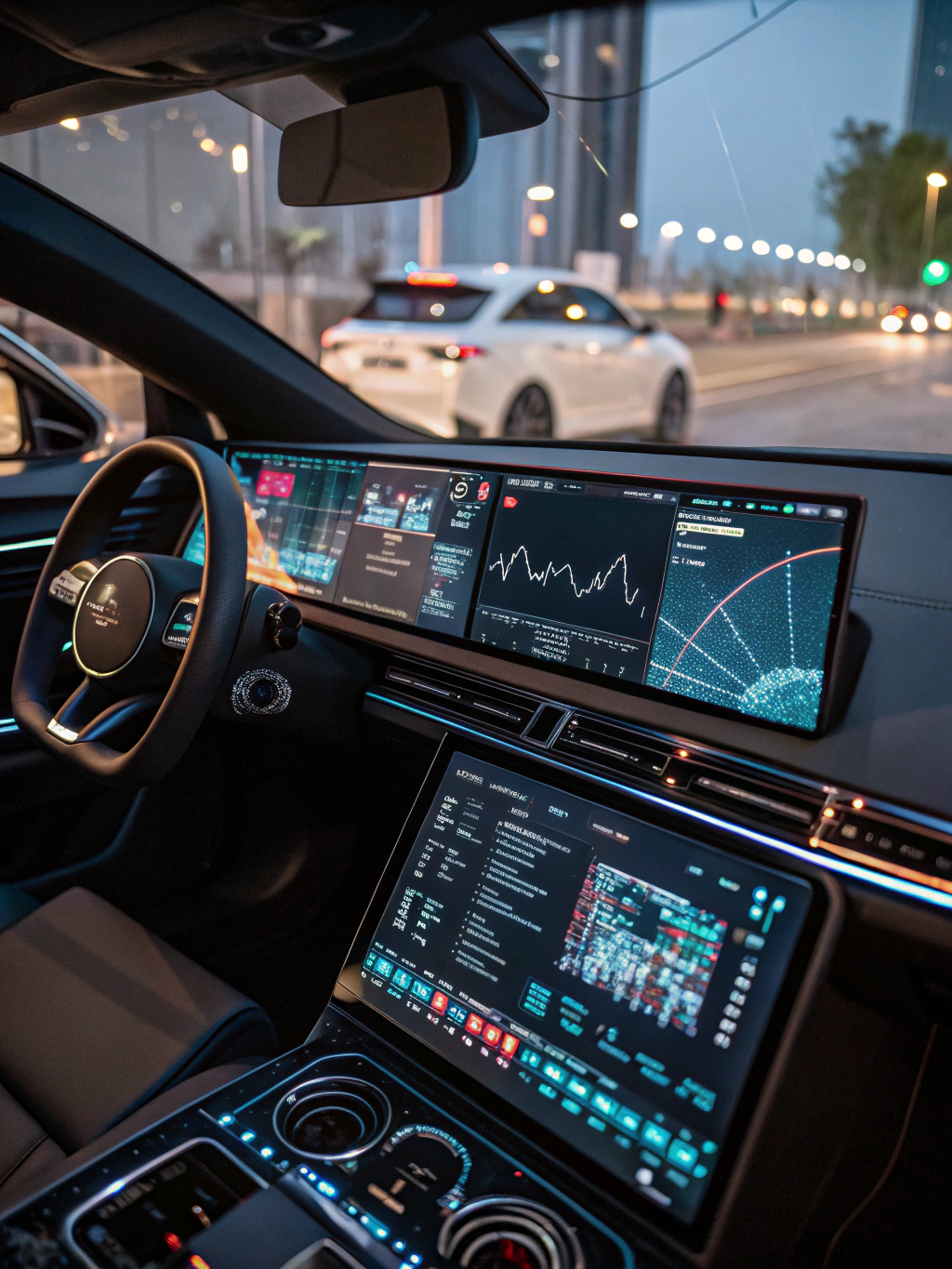
The hum of innovation is growing louder in the automotive and technology sectors, largely thanks to the rapid advancement of autonomous driving artificial intelligence algorithms. We’re on the cusp of a transportation revolution, and at its heart lies sophisticated AI capable of perceiving the world, making decisions, and navigating roads without human intervention. But the implications extend far beyond self-driving cars. This technology is sparking massive investment, influencing stock markets, and even prompting new investment strategies. This blog dives deep into the current state of autonomous driving artificial intelligence algorithms, exploring their impact on everything from the future of mobility to potential investment opportunities and the broader implications for AI development. We’ll also look at the role of ai in automotive and how this groundbreaking tech is reshaping multiple industries.
The Core of Self-Driving: Understanding Autonomous Driving Artificial Intelligence Algorithms
At the core of any self-driving vehicle are complex autonomous driving artificial intelligence algorithms. These algorithms are not a single entity but a suite of interconnected systems working in real-time. Here’s a breakdown of the key components:
- Computer Vision: This is the “eyes” of the vehicle, using cameras and sensors to interpret the surrounding environment. Advanced image recognition and object detection algorithms identify pedestrians, vehicles, traffic signals, and road markings. Deep learning plays a massive role here, allowing the AI to learn from vast datasets of images and videos.
- Sensor Fusion: Self-driving cars don’t rely solely on cameras. LiDAR (Light Detection and Ranging), radar, and ultrasonic sensors provide complementary information about distance, speed, and the shape of objects. Sensor fusion algorithms combine data from all these sources to create a comprehensive 3D map of the surroundings.
- Path Planning & Decision Making: Based on the environmental data, the AI calculates the optimal route, taking into account traffic conditions, road restrictions, and desired destination. This involves sophisticated algorithms that can predict the behavior of other road users and react accordingly. Reinforcement learning is increasingly used to train these algorithms.
- Control Systems: This component translates the planned path into commands for the vehicle’s steering, acceleration, and braking systems. Real-time control algorithms ensure smooth and safe navigation.
The progress in autonomous driving artificial intelligence algorithms is accelerating at an unprecedented pace. Companies like Waymo, Tesla, and Cruise are heavily investing in developing and refining these technologies, leading to continuous improvements in safety, reliability, and efficiency. The ongoing development of ai in automotive specifically is impacting all of these areas.
Beyond Cars: Expanding Applications of Autonomous AI
While self-driving cars are the most visible application, the potential of autonomous driving artificial intelligence algorithms stretches far beyond personal transportation. Consider these areas:
- Logistics & Delivery: Autonomous trucks and delivery drones could revolutionize supply chains, reducing costs and improving efficiency. Companies are already experimenting with self-driving delivery vans for last-mile logistics.
- Agriculture: Self-driving tractors and harvesters can optimize crop yields, reduce labor costs, and improve precision farming practices.
- Mining & Construction: Autonomous vehicles are transforming these industries by automating tasks such as hauling materials and operating heavy machinery, increasing safety and productivity.
- Public Transportation: Driverless buses and shuttles can improve accessibility and efficiency in urban areas.
Investment Opportunities & the Crypto Connection
The burgeoning field of autonomous driving artificial intelligence algorithms is attracting significant financial interest. Venture capital firms, private equity investors, and even public markets are pouring money into startups developing self-driving technologies. This creates unique investment opportunities.
- AI Chip Manufacturers: Companies like NVIDIA and AMD are at the forefront of developing specialized chips for AI applications in autonomous vehicles.
- Sensor Technology Providers: Companies producing LiDAR, radar, and ultrasonic sensors are also benefiting from the growth of the self-driving market.
- Autonomous Vehicle Companies: Investing in companies developing complete self-driving systems carries higher risk but also potentially higher rewards.
- Robotics & Automation: The convergence of AI and robotics is creating exciting opportunities for investment in integrated solutions for various industries.
The connection between crypto and this space is still developing, but several trends are emerging:
- Decentralized Data Platforms: Blockchain technology can be used to create secure and transparent platforms for sharing data between autonomous vehicles, fostering collaboration and accelerating development.
- Decentralized Autonomous Organizations (DAOs): DAOs can be used to fund and govern open-source projects related to autonomous driving.
- Tokenized Incentives: Blockchain-based tokens can incentivize users to contribute data or validate transactions related to autonomous vehicle systems. Investors should conduct thorough due diligence before engaging with ventures in this area.
Navigating the Regulatory Landscape and Ethical Considerations
The rapid development of autonomous driving artificial intelligence algorithms also raises a number of important regulatory and ethical considerations.
- Safety Regulations: Government agencies worldwide are working to establish safety standards and regulations for self-driving vehicles.
- Liability & Insurance: Determining liability in the event of accidents involving autonomous vehicles is a complex legal challenge.
- Data Privacy & Security: Self-driving cars collect vast amounts of data about their surroundings and occupants, raising concerns about privacy and security.
- Algorithmic Bias: Ensuring that AI algorithms are not biased against certain groups of people is crucial for promoting fairness and equity.
| Application Area | Key AI Technologies | Current Status | Projected Growth |
|---|---|---|---|
| Self-Driving Cars | Deep Learning, Computer Vision, Sensor Fusion | Early Deployment (limited areas) | High (expected to reach billions in market value) |
| Logistics & Delivery | Deep Learning, Path Planning, Object Detection | Pilot Programs & Testing | Very High |
| Agriculture | Computer Vision, Machine Learning, Robotic Control | Early Adoption | High |
| Mining & Construction | Computer Vision, Reinforcement Learning, Automation | Limited Implementation | Moderate |
The Future of Mobility is Intelligent
Autonomous driving artificial intelligence algorithms represent a transformative technology with the potential to reshape our world. While challenges remain, the progress made in recent years has been remarkable. As AI continues to evolve and regulatory frameworks mature, we can expect to see a widespread adoption of autonomous technologies across various industries, improving safety, efficiency, and accessibility. Continued advancements will focus on handling unexpected scenarios and improving the robustness of these sophisticated systems. Staying informed about the latest developments in AI and automotive will be crucial for both businesses and individual consumers.
What are your thoughts on the future of autonomous driving? Share your insights or questions in the comments below! Don’t forget to share this article with your network and explore other insightful posts on AI in Automotive.
Share this content:












Post Comment