
AI Tools Integration: Connect Everything
Unleashing Business Potential: Mastering AI Tools Integration
The business landscape is rapidly evolving, driven by advancements in artificial intelligence. Businesses of all sizes are seeking ways to leverage this technology to boost efficiency, enhance customer experiences, and gain a competitive edge. Central to this transformation is effective ai tools integration. But simply acquiring new tools isn’t enough; the real power lies in seamlessly weaving them into existing workflows. This comprehensive guide explores strategies for successful ai tools integration, covering everything from practical implementation to potential pitfalls and future trends.
Why Integrate AI Tools? The Value Proposition
The benefits of integrating AI tools are multifaceted. Consider automating repetitive tasks like data entry or customer service inquiries, freeing up human employees to focus on more strategic initiatives. AI-powered analytics can provide deeper insights into customer behavior, market trends, and operational performance, leading to data-driven decision-making. Furthermore, AI enhances personalization efforts, resulting in improved customer satisfaction and loyalty. For example, a marketing team can use AI to personalize email campaigns, making them more relevant and effective. This creates a more engaging and valuable experience for the customer.
Key Strategies for Smooth Tool Integration
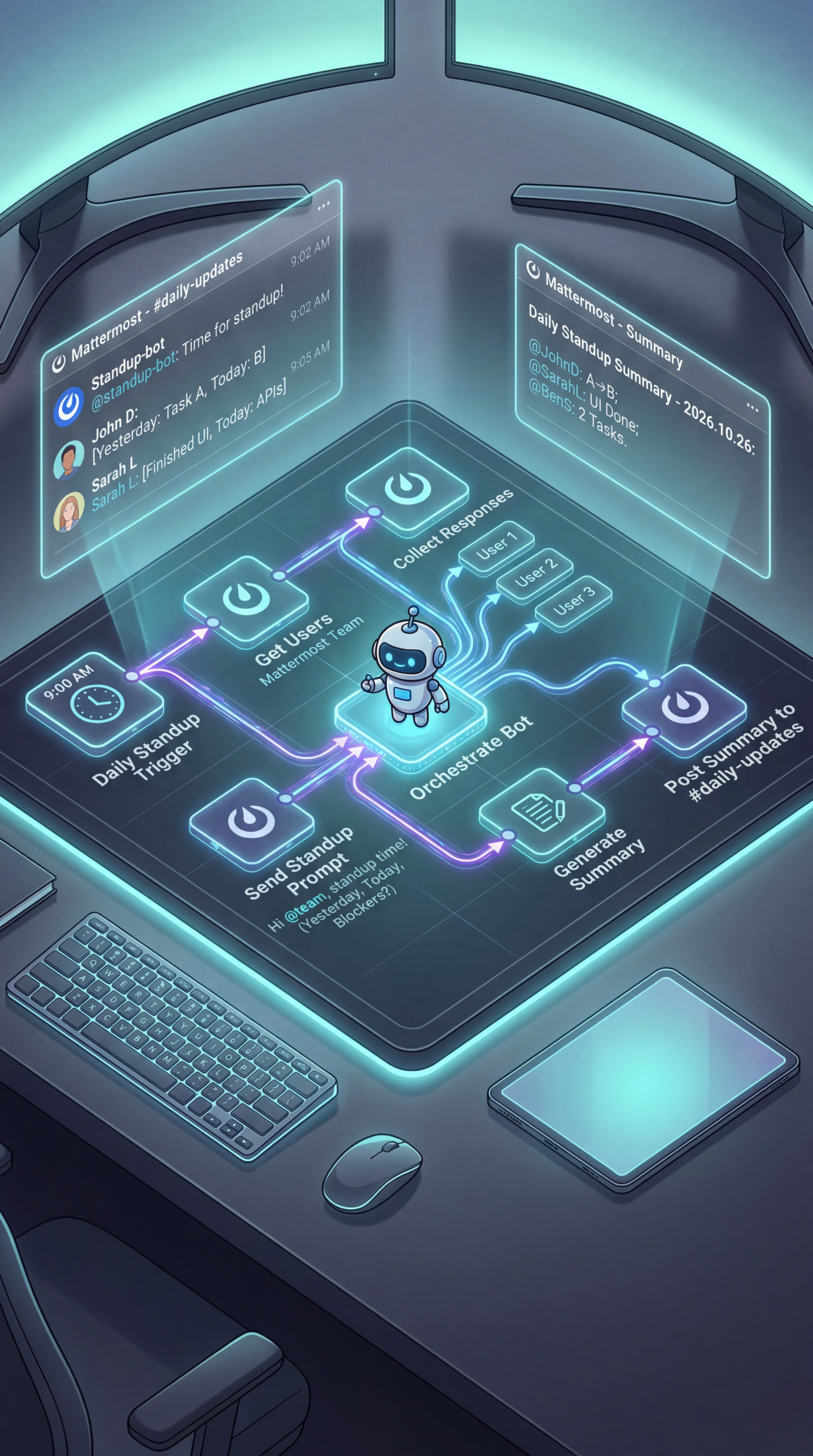
A successful ai tools integration requires a well-defined strategy. Here’s a breakdown of key steps:
- Assess Your Needs: Begin by identifying specific business challenges or areas for improvement. What tasks are time-consuming or prone to errors? Where can data analysis provide greater clarity?
- Choose the Right Tools: Research and select AI tools that directly address your identified needs. Consider factors such as integration capabilities, scalability, cost, and ease of use. Don’t get blinded by flashy features, ensure the tools align with your core goals.
- Data Preparation: AI algorithms rely on data. Ensure your data is clean, organized, and properly formatted for the chosen tools. This might involve data cleansing, transformation, and validation.
- Phased Implementation: Avoid attempting a complete overhaul. Start with a pilot project or a limited scope integration to test the waters and refine your approach. This minimizes risk and allows for adjustments along the way.
- Employee Training: Provide adequate training to employees on how to effectively use the integrated AI tools. Address any concerns about job displacement and emphasize how AI will augment their capabilities.
Navigating the Challenges of Tool Integration

Integration rarely happens without hiccups. Common challenges include:
- Data Silos: Disconnected data sources can hinder the effectiveness of AI tools. Invest in data integration solutions to break down silos and create a unified view of your information.
- Integration Complexity: Different tools have varying levels of compatibility. Carefully evaluate integration options and be prepared to invest in custom development if necessary. A common mistake is assuming seamless interoperability without thorough testing.
- Lack of Expertise: Implementing and managing AI tools requires specialized skills. Consider partnering with an AI consultant or investing in employee training to address this gap.
Practical Experience & Real Use Case
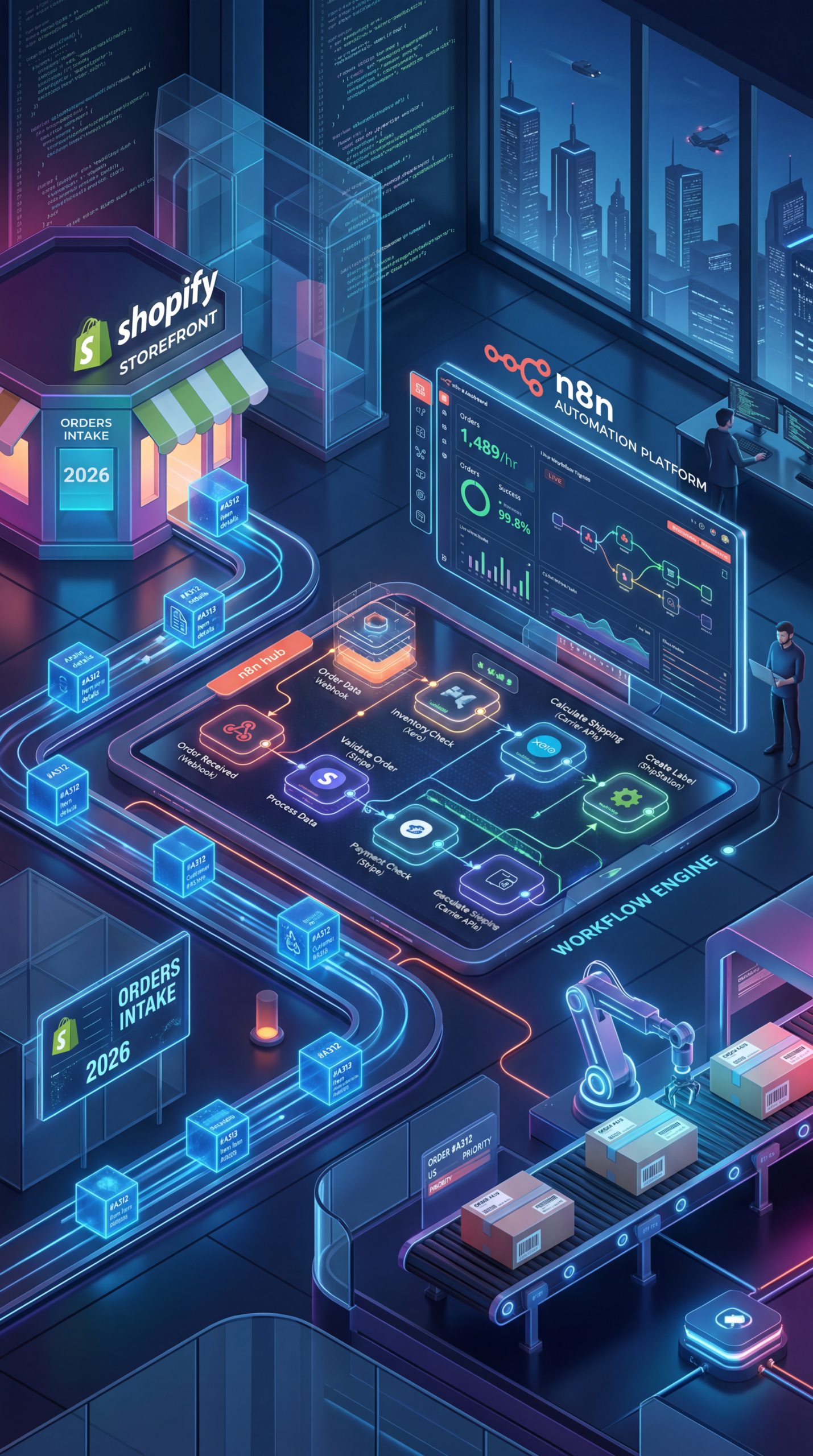
Let’s consider a small e-commerce business struggling with customer service response times. They decide to integrate an AI-powered chatbot into their website.
Step 1: They chose a chatbot platform compatible with their existing CRM system.
Step 2: They trained the chatbot on frequently asked questions and product information.
Step 3: They integrated the chatbot on their website and social media channels.
Common Mistakes: They underestimated the amount of data required for effective training and didn’t anticipate the need for continuous monitoring and refinement of the chatbot’s responses.
Fix: They dedicated additional time to data preparation and implemented a feedback mechanism to continuously improve the chatbot’s performance.
AI Tools Integration vs. Tool Integration: Understanding the Difference
While often used interchangeably, tool integration is a broader concept. Tool integration refers to the process of connecting different software applications, regardless of whether AI is involved. ai tools integration specifically focuses on incorporating intelligent technologies to augment or automate processes. The core difference is the application of artificial intelligence in streamlining and enhancing workflows. In many scenarios, ai tools integration is a type of tool integration, but not all tool integration involves AI.
The Future of AI Tools Integration
We can expect to see even greater advancements in AI tools integration in the coming years. Low-code/no-code platforms are making it easier for businesses to integrate AI, even without extensive technical expertise. Furthermore, the rise of serverless computing is enabling more scalable and cost-effective AI deployments.
Limitations and Drawbacks
It’s important to acknowledge that AI tools integration isn’t a panacea. AI algorithms are only as good as the data they are trained on and can perpetuate existing biases. Over-reliance on AI might diminish human skills in certain areas. There’s also the ongoing concern regarding data privacy and security when integrating AI tools.
A Quick Comparison: AI Tool Integration Options
| Option | Cost | Complexity | Scalability | Best For |
|---|---|---|---|---|
| Cloud-Based Platforms | Moderate | Low | High | Small to medium businesses, quick implementation |
| On-Premise Solutions | High | High | Moderate | Large enterprises with strict data security needs |
| Open-Source Libraries | Low | High | Variable | Technically proficient teams, custom solutions |
Frequently Asked Questions
How can I ensure data security when integrating AI tools?
Prioritize tools with robust security features and comply with relevant data privacy regulations. Implement strong access controls and encryption methods to protect sensitive information.
What are some signs that AI tool integration is not working well?
Look for decreased efficiency, increased errors, and negative customer feedback. These indicators suggest a need for reassessment of the chosen tools or the integration process.
Is ai tools integration necessary for all businesses?
No, but it can be highly beneficial. Businesses dealing with large datasets, complex processes, or a high volume of customer interactions stand to gain the most from ai tools integration.
How much does ai tools integration typically cost?
Costs vary widely depending on the tools chosen, the complexity of integration, and the level of customization required. Budget for software licenses, implementation services, data preparation, and ongoing maintenance.
What is the role of human oversight in AI-driven processes?
Human oversight is crucial to ensure fairness, accuracy, and ethical considerations. AI should augment human capabilities, not replace them entirely; human review helps catch potential errors and biases.
Conclusion
Mastering ai tools integration is a transformative journey for businesses ready to embrace the future. By adopting a strategic approach, addressing potential challenges, and continuously refining your AI implementations, you can unlock significant value and gain a competitive advantage.
Ready to dive deeper? Share your experiences with AI tools integration in the comments below! Or explore our other articles on [data analytics](link to internal article) and [cloud computing](link to internal article).
Share this content:









Post Comment