AI Tools Explained: Complete Overview
Demystifying the Future: Understanding AI Tools Explained
The buzz around artificial intelligence has reached a fever pitch, and for good reason. It’s no longer a futuristic concept confined to science fiction; it’s rapidly reshaping industries, from marketing and finance to healthcare and creative fields. But navigating the landscape of available tools can feel overwhelming. What exactly are these AI tools? And how can they benefit you? This article dives deep into ai tools explained in a clear and accessible way, exploring their capabilities, practical applications, and potential limitations. We’ll also look at how to choose the right ones for your needs and discuss the evolving trends in this dynamic space.
What are AI Tools, Really?
At its core, an AI tool is software that uses algorithms to perform tasks that typically require human intelligence. This encompasses a wide spectrum of capabilities, including learning, problem-solving, decision-making, and even understanding natural language. These aren’t sentient robots, but rather sophisticated programs leveraging statistical models and machine learning to automate processes and provide valuable insights.
The Rise of Automation: How AI Tools are Changing Work
One of the most significant impacts of AI tools is their ability to automate repetitive tasks. This frees up human workers to focus on more strategic, creative, and complex endeavors. Consider marketing, for instance. AI-powered tools can automate social media posting, personalize email campaigns, and even analyze customer data to identify trends. Similarly, in finance, automation can streamline data entry, detect fraudulent transactions, and assist with investment analysis.
The speed and efficiency gains are substantial. However, the initial setup and integration can present challenges. A common mistake beginners make is attempting to automate everything at once. A phased approach, starting with smaller, well-defined tasks, is often more successful.
Exploring Key Categories of AI Tools
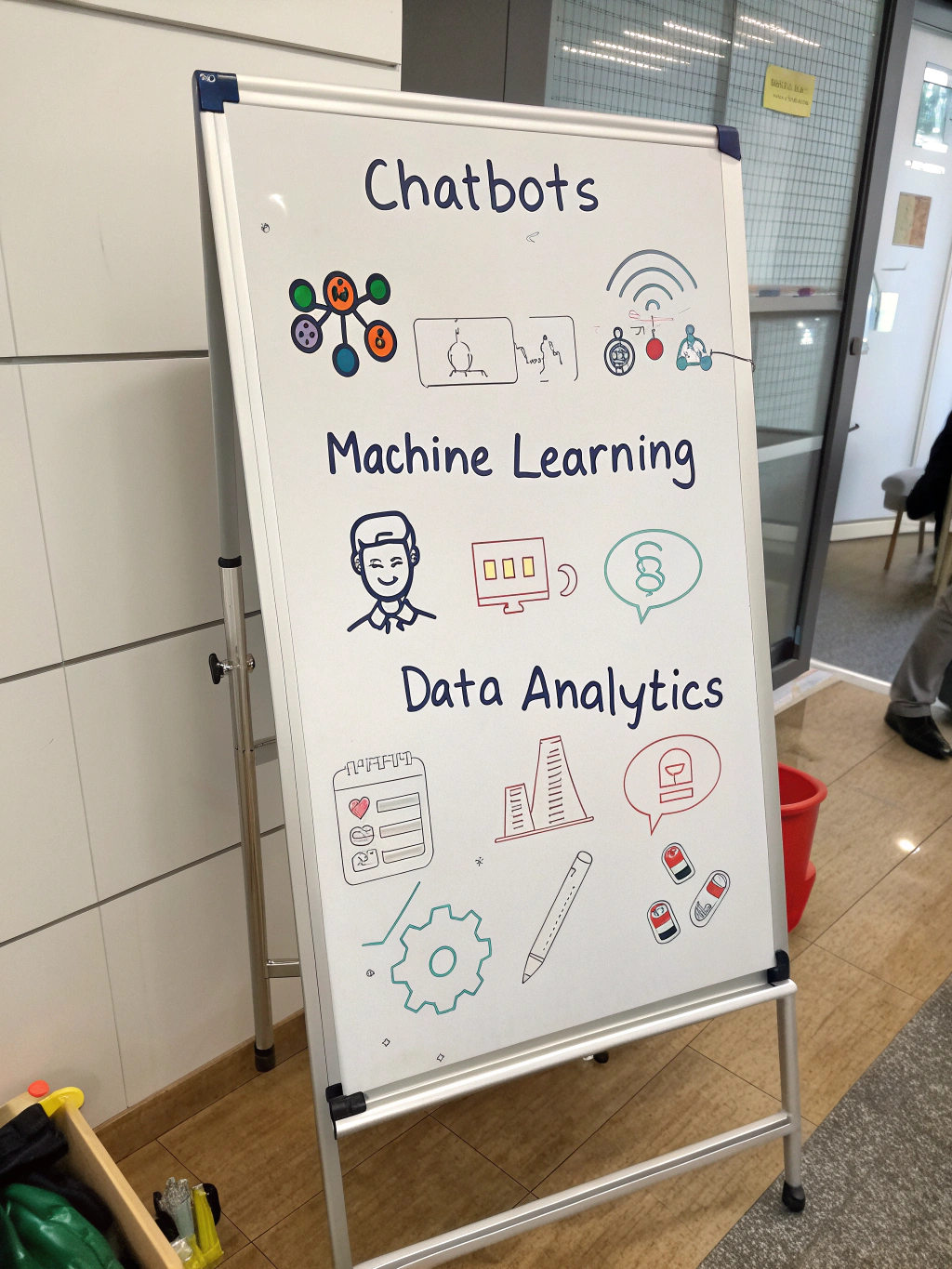
AI tools aren’t a one-size-fits-all solution. They can be broadly categorized based on their function:
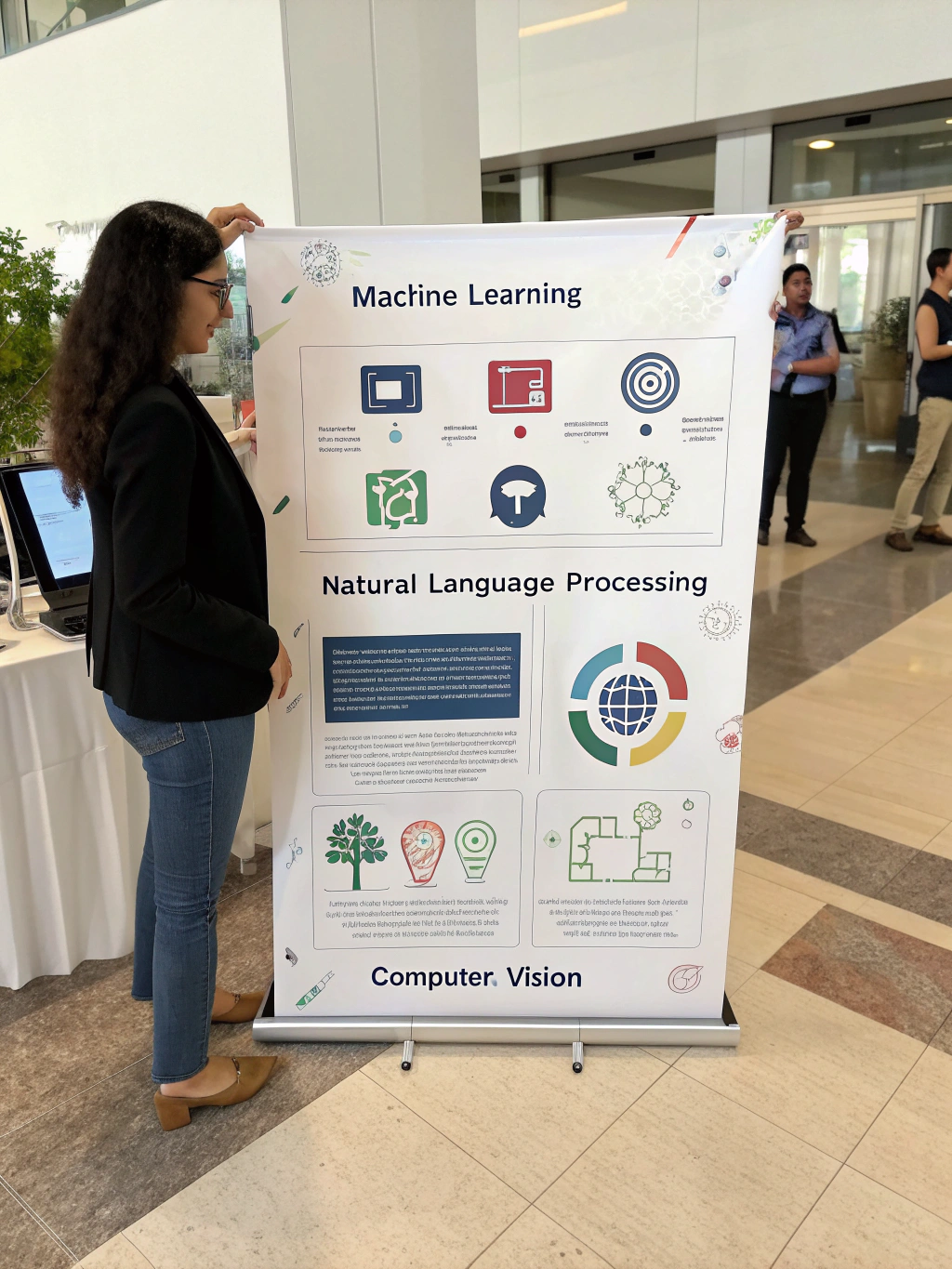
- Natural Language Processing (NLP) Tools: These tools enable computers to understand and process human language. Examples include chatbots, sentiment analysis tools, and language translation software.
- Machine Learning (ML) Tools: These tools allow systems to learn from data without being explicitly programmed. They are used for predictive analytics, recommendation engines, and image recognition.
- Generative AI Tools: This exciting category creates new content – text, images, audio, and even code. Tools like text generators and image creators are gaining immense popularity.
- Automation Platforms: These platforms integrate various AI capabilities to automate workflows across different departments and functions.
Practical Experience & Real Use Case: Content Creation with AI
Let’s look at a practical scenario. Suppose you’re a small business owner struggling to create engaging social media content consistently. You could leverage generative AI tools to brainstorm ideas, draft captions, and even generate images.
Step 1: Choose a generative AI tool specializing in text and image generation. Several options are available, some offering free tiers.
Step 2: Provide a detailed prompt outlining your target audience, brand voice, and the desired content (e.g., “Write a short, engaging Instagram caption for a bakery promoting a new chocolate cake. Target audience: young adults interested in desserts.”).
Step 3: Review and edit the AI-generated content. Don’t simply copy and paste! Add your personal touch and ensure it aligns with your brand guidelines.
Step 4: Use an AI image generator to create a visual to accompany your caption. Experiment with different styles and variations.
Step 5: Schedule your post using a social media management tool.
Common Beginner Mistakes:
- Vague Prompts: Generic prompts yield generic results. Be specific!
- Ignoring Fact-Checking: AI can sometimes hallucinate or present inaccurate information. Always verify the content.
- Lack of Editing: AI-generated content rarely needs to be published without revision.
AI Tools Breakdown: A Comparative Look
| Tool Category | Example Tools | Key Features | Pricing | Best For |
|---|---|---|---|---|
| Content Creation | Jasper, Copy.ai, Rytr | AI copywriting, blog post generation, social media content | $29-$299/month | Marketers, bloggers |
| Image Generation | DALL-E 2, Midjourney, Stable Diffusion | Text-to-image creation, image editing, style transfer | $10-$50/month | Graphic designers, creatives |
| Customer Service | Intercom, Zendesk | AI chatbots, automated support responses, ticket routing | $15-$150+/month | Customer support teams |
| Data Analysis | Tableau, Power BI | Automated insights, data visualization, predictive analytics | $15-$100+/user/month | Data analysts, business intelligence |
Limitations and When AI Tools Aren’t the Best Choice
While powerful, AI tools have limitations. They are only as good as the data they are trained on, which can lead to biases or inaccuracies. They also lack the nuanced understanding and emotional intelligence of humans.
AI-generated content might feel generic or lack originality if not carefully curated. Moreover, AI tools often struggle with tasks requiring complex critical thinking or creative problem-solving. For highly sensitive or nuanced situations, human oversight remains crucial.
The Future of Work: Embracing Collaboration
The key to successfully integrating AI tools lies in viewing them as collaborators, not replacements. The most effective strategies involve leveraging AI to augment human capabilities, rather than automating entire workflows. This means focusing on tasks that require human creativity, empathy, and strategic thinking, while allowing AI to handle the more routine and time-consuming aspects of work.
Snippet-Ready Answer:
AI tools are software applications utilizing algorithms to mimic human cognitive abilities like learning and problem-solving. They automate tasks, analyze data, and generate content, offering significant efficiency gains across various industries.
Frequently Asked Questions
How do AI tools help with social media marketing?
AI tools can automate posting schedules, analyze audience engagement, and even generate content ideas and captions. This saves time and helps marketers create more effective campaigns.
Are AI tools expensive to implement?
The cost varies greatly depending on the tool and your needs. Many tools offer free trials or affordable entry-level plans. However, more advanced features and higher usage volumes can incur significant costs.
Can AI tools write high-quality content?
Yes, many AI writing tools are capable of producing well-written content. However, it’s essential to review and edit the generated content to ensure accuracy, originality, and alignment with your brand voice.
What are the ethical concerns surrounding AI tools?
Ethical concerns include bias in algorithms, potential job displacement, and the misuse of AI-generated content. Responsible development and deployment are crucial to mitigate these risks.
Do I need technical expertise to use AI tools?
Many AI tools are designed to be user-friendly and require minimal technical expertise. However, understanding the basics of how they work and how to interpret their outputs is beneficial.
In conclusion, the world of ai tools explained is constantly evolving, presenting both exciting opportunities and potential challenges. By understanding their capabilities, limitations, and ethical implications, you can harness their power to enhance productivity, drive innovation, and gain a competitive edge. What are your experiences with AI tools? Share your thoughts and questions in the comments below!
Want to dive deeper into specific AI applications? Explore our articles on [AI in Marketing](link to internal article) and [AI in Finance](link to internal article).
Share this content:











Post Comment