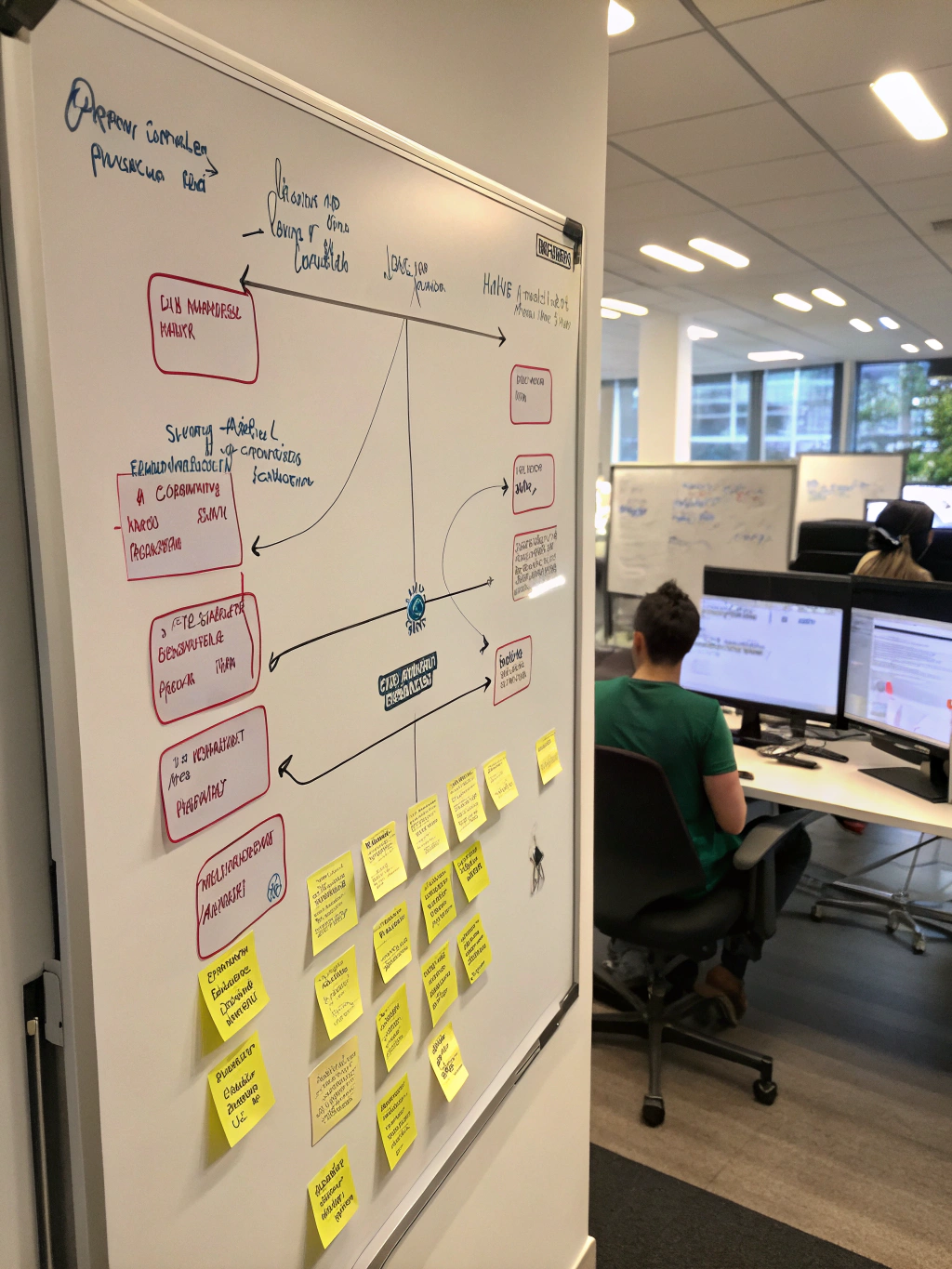
AI Agent Workflow: Optimize Your AI
Streamlining Your Operations: Mastering the AI Agent Workflow
The business landscape is rapidly evolving, and staying ahead requires embracing innovation. One of the most transformative trends right now is the rise of autonomous digital assistants, often referred to as ai agent workflow. These powerful tools are changing how we approach tasks, from automating routine operations to empowering complex decision-making. Understanding how to effectively implement an ai agent workflow is no longer a futuristic concept – it’s a strategic imperative for businesses seeking efficiency and growth. This guide will delve into the practicalities of building and leveraging these intelligent systems.
What Exactly Is an AI Agent Workflow?
At its core, an ai agent workflow is a sequence of automated actions performed by a digital entity to achieve a specific goal with minimal human intervention. Think of it as a highly sophisticated series of interconnected tasks, where each step is executed autonomously based on predefined rules, data analysis, and learning capabilities. These workflows can span various business functions, including customer service, data analysis, marketing, and operations. They move beyond simple rule-based automation to handle more nuanced and dynamic situations. A well-designed workflow using agents can drastically reduce manual effort, improve accuracy, and accelerate processes.
Key Components of a Successful Workflow with Agents
Building an effective workflow with agents involves several key elements:
- Goal Definition: Clearly define the objective the agent needs to achieve. What problem are you trying to solve? A vague goal leads to a weak workflow.
- Task Decomposition: Break down the overarching goal into smaller, manageable tasks that the agent can execute.
- Data Sources: Identify the data the agent needs to access and utilize. This includes internal databases, external APIs, and real-time information feeds.
- Decision Logic: Define the rules and algorithms the agent will use to make decisions and navigate different scenarios.
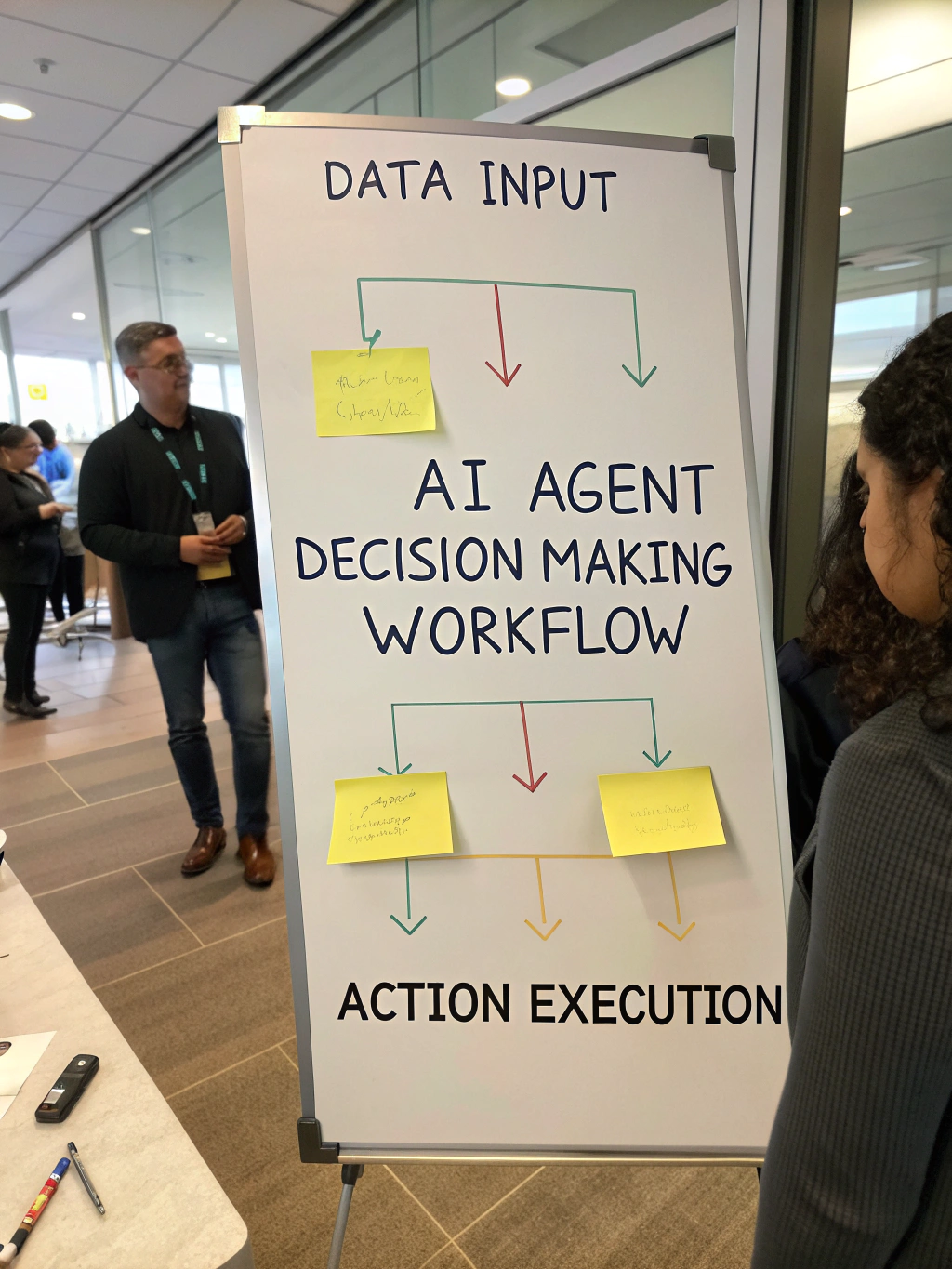
- Action Execution: Specify the actions the agent will take, such as sending emails, updating records, or making API calls.
- Monitoring & Feedback: Implement a system to monitor the agent’s performance and provide feedback for continuous improvement.
Practical Experience & Real Use Case: Automating Lead Qualification
Let’s consider a real-world scenario: automating lead qualification for a SaaS company. Previously, a sales team spent significant time manually vetting leads, often resulting in wasted effort. An ai agent workflow can streamline this process.
Step 1: The agent connects to the company’s CRM and marketing automation platform to retrieve new lead data (sign-ups, form submissions).
Step 2: It analyzes the lead’s profile, website activity, and engagement with marketing materials.
Step 3: The agent scores each lead based on predefined criteria (industry, company size, job title, content downloads).
Step 4: Leads exceeding a certain score threshold are automatically routed to the sales team with a summary of their profile and engagement history. Leads below the threshold might receive automated nurturing emails.
Common Beginner Mistakes & Fixes:
- Mistake: Overly complex decision logic. Starting with a simple scoring system and iteratively adding complexity is more effective.
- Fix: Use a phased approach. Begin with basic rules and gradually introduce more sophisticated logic as the agent learns.
- Mistake: Insufficient data sources. The agent’s effectiveness is limited by the data it has access to.
- Fix: Connect to relevant data sources and ensure data quality.
A successful implementation using a well-designed workflow with agents reduces the time sales spend on unqualified leads by approximately 30%, leading to increased sales productivity.
Comparing ai agent workflow Platforms
| Platform | Strengths | Weaknesses | Pricing Model |
|---|---|---|---|
| AutoQA | Strong focus on testing and automation across applications. | Steeper learning curve. | Subscription-based, tiered based on usage. |
| Obviously AI | User-friendly interface; good for data analysis and insights. | Less flexibility for complex workflows. | Free tier available; paid plans for more features. |
| Microsoft Power Automate | Integrates well with the Microsoft ecosystem, relatively affordable. | Can become complex to manage large workflows. | Subscription-based, per user. |
Limitations & Considerations
While ai agent workflow offers incredible potential, it’s not a silver bullet. These systems are dependent on the quality and availability of data. They can also struggle with unforeseen circumstances or ambiguous situations that require human judgment. Furthermore, ethical considerations around data privacy and algorithmic bias must be carefully addressed. For highly creative or emotionally sensitive tasks, human involvement remains essential.
Snippet-Ready Answer:
How can AI agent workflow improve efficiency? By automating repetitive tasks, handling data analysis, and making data-driven decisions, an AI agent workflow frees up human employees to focus on higher-value activities, ultimately boosting overall efficiency and productivity.
The Future of Autonomous Digital Assistants
The evolution of ai agent workflow is inextricably linked to advancements in natural language processing, machine learning, and data analytics. Expect to see even more sophisticated and adaptable agents capable of handling increasingly complex tasks across a wider range of industries. As these tools become more accessible and user-friendly, the adoption of workflow with agents will accelerate, reshaping the way businesses operate and compete.
Frequently Asked Questions
What are the primary benefits of using AI agents?
Implementing AI agents significantly improves efficiency by automating tasks and freeing up human teams for strategic work. They also enhance data analysis and decision-making.
How much does it cost to implement an AI agent workflow?
The cost varies greatly depending on the complexity of the workflow, the chosen platform, and the required data infrastructure. Some platforms offer free tiers or affordable starting plans, while others have higher subscription costs.
Are AI agents secure?
Security is a critical consideration. Choosing a reputable platform with robust security measures and implementing proper data governance policies are essential to protect sensitive information.
What skills are needed to manage an AI agent workflow?
While specialized technical skills can be beneficial, a good understanding of business processes, data analysis, and workflow design are essential for effective management.
Can AI agents handle all types of business tasks?
Currently, AI agents excel at automating repetitive and data-driven tasks. Tasks requiring high levels of creativity, emotional intelligence, or complex problem-solving often still require human input.
Ready to explore how ai agent workflow can transform your business? Share your thoughts or questions in the comments below!
Share this content:













Post Comment