
AI Automation Systems: Full Overview
Revolutionizing Your Workflow: Understanding the Power of AI Automation Systems
The business landscape is rapidly evolving, demanding greater efficiency and agility than ever before. At the forefront of this transformation are ai automation systems, poised to reshape how we operate across industries. But what exactly are they, and how can they benefit your organization? This article delves into the world of automation powered by intelligent technologies, exploring its potential, practical applications, and considerations for successful implementation. We’ll uncover how these technologies are moving beyond simple task execution to enable smarter, more adaptive processes.
What Exactly Are AI Automation Systems?
At its core, an AI automation system leverages artificial intelligence to automate tasks that traditionally required human intervention. This isn’t just about robotic process automation (RPA) mimicking repetitive actions—though RPA is a component—it encompasses a broader range of capabilities. It’s about creating intelligent workflows that can learn, adapt, and make decisions autonomously. Think of it as a digital assistant that continuously improves its performance over time. These intelligent systems use machine learning, natural language processing, and other advanced techniques to analyze data, identify patterns, and execute actions with minimal human oversight.
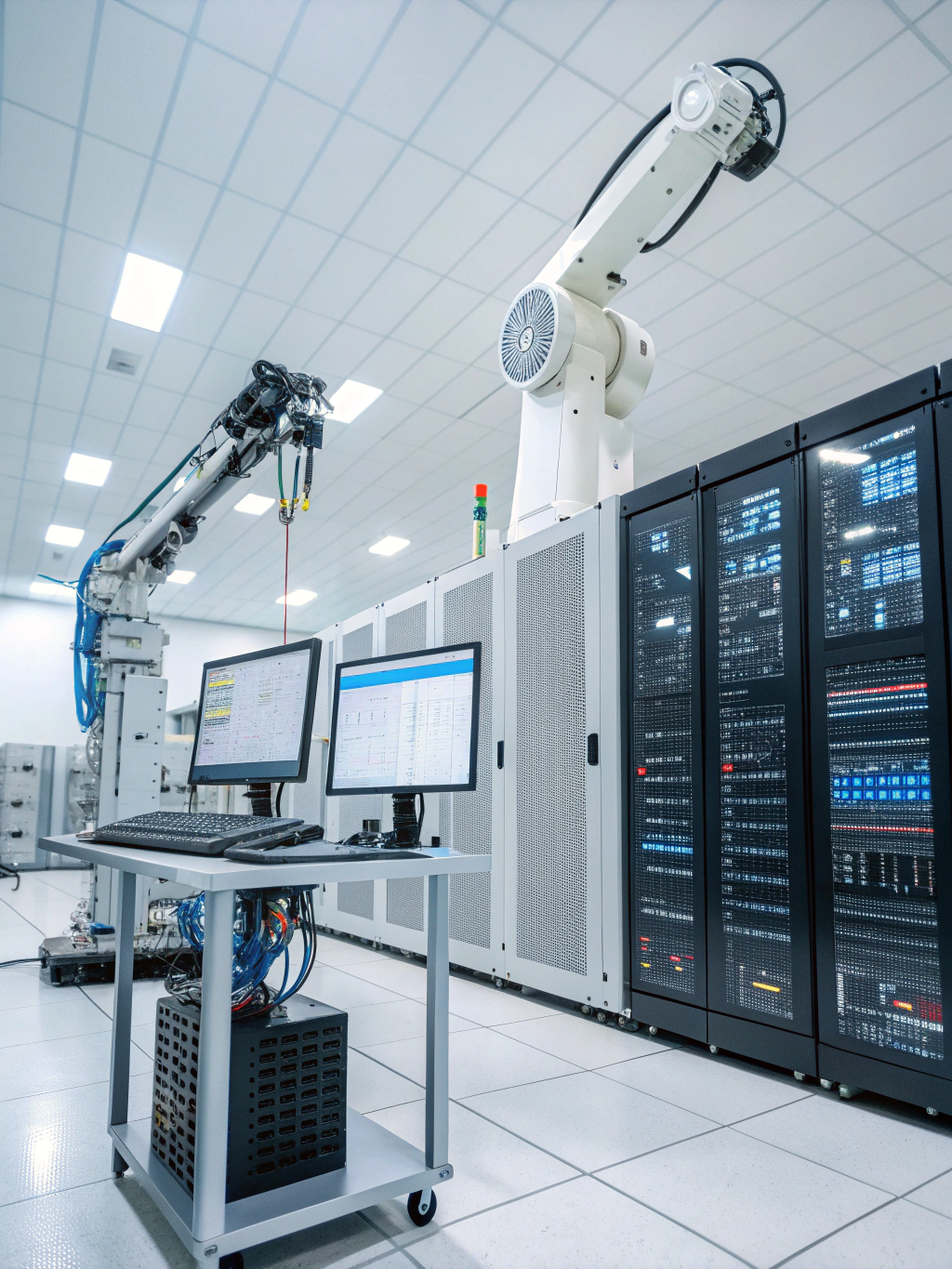
Key Benefits of Implementing Automation
The allure of integrating ai automation systems extends far beyond simple cost reduction. Here are several key advantages organizations are realizing:
- Increased Efficiency: Automate repetitive, time-consuming tasks, freeing up employees to focus on higher-value activities.
- Reduced Errors: AI-powered systems are less prone to human error, leading to greater accuracy and quality.
- Enhanced Productivity: Faster task completion and streamlined workflows directly translate to increased overall productivity.
- Improved Decision-Making: AI can analyze vast amounts of data to provide insights that inform better strategic choices.
- Scalability: Quickly adapt to changing business needs by easily scaling automated processes.
Practical Experience & Real Use Case: Automating Customer Onboarding
Let’s consider a real-world example: automating customer onboarding for a SaaS company. Traditionally, this involved manual data entry, sending follow-up emails, and scheduling training sessions—a process that was often slow and prone to errors.
The Problem: New customer onboarding was a bottleneck, delaying revenue recognition and impacting customer satisfaction.
The Solution: We implemented an AI-powered platform that automates the following steps:
- Data Extraction: Automatically extracts customer information from sign-up forms.
- Personalized Communication: Sends tailored welcome emails based on customer segment and product usage.
- Automated Task Creation: Creates tasks for the customer success team, prompting them to reach out within 24 hours.
- Progress Tracking: Monitors customer progress through the onboarding process and triggers alerts if necessary.
Common Mistakes & How to Fix Them:
- Ignoring Data Quality: Poor data input in the initial stages can corrupt the entire process. Fix: Invest in robust data validation mechanisms.
- Over-Automation: Attempting to automate too much too quickly can lead to errors. Fix: Start with simple, well-defined tasks and gradually increase complexity.
- Lack of Human Oversight: Relying solely on automation without a safety net can be disastrous. Fix: Implement regular monitoring and review to catch any issues.
AI Automation Systems vs. Traditional Automation Tools
| Feature | Traditional Automation (RPA) | AI Automation Systems |
|---|---|---|
| Task Complexity | Best for rule-based, repetitive tasks. | Handles complex, unstructured data and decision-making. |
| Learning Capability | Limited or no learning ability. | Continuously learns and improves performance over time. |
| Adaptability | Requires manual adjustments for changes. | Adapts to changing conditions with minimal human intervention. |
| Data Analysis | Primarily focuses on data manipulation. | Provides insights and patterns from data. |
| Implementation Cost | Generally lower initial cost. | Higher initial cost but potentially greater long-term value. |
Limitations & When AI Automation Isn’t the Best Fit
While incredibly powerful, ai systems aren’t a panacea. These technologies aren’t suitable for every situation.
- High Initial Investment: Implementing advanced AI solutions can require significant financial resources.
- Data Dependency: AI algorithms require large, high-quality datasets to function effectively. Poor data will yield poor results.
- Lack of Explainability: Some AI models, particularly complex deep learning models, can be “black boxes,” making it difficult to understand their decision-making process. This can be problematic in regulated industries or when transparency is crucial.
- Not a Replacement for Human Creativity: AI excels at automating routine tasks, but it lacks the creativity, empathy, and critical thinking skills needed for complex problem-solving.
The Future of Work: Embracing Intelligent Automation
The integration of AI automation is not about replacing human workers—it’s about augmenting their capabilities. By automating mundane tasks, businesses can empower their employees to focus on strategic initiatives, innovation, and building stronger customer relationships. The impact will be transformative, leading to more efficient organizations, higher levels of job satisfaction, and ultimately, greater success. Many businesses are already successfully leveraging ai automation systems to gain a significant competitive advantage.
Frequently Asked Questions
How do AI automation systems compare to traditional robotic process automation (RPA)?
While RPA focuses on automating repetitive, rule-based tasks, AI automation systems can handle more complex, unstructured data and make decisions autonomously, offering a broader range of capabilities.
What industries benefit most from using AI automation systems?
Industries like finance, healthcare, retail, and customer service are seeing significant benefits from AI automation, due to their data-rich environments and repetitive processes.
Is implementing AI automation systems difficult?
Implementing AI automation requires careful planning, skilled personnel, and a commitment to data quality. However, various vendors offer user-friendly platforms and support services to simplify the process.
How much does it cost to implement AI automation systems?
The cost can vary widely depending on the complexity of the project, the number of tasks being automated, and the vendor chosen. Expect initial investment in software, integration, and training.
What are the potential security risks associated with AI automation?
Ensuring data security is paramount. Risks include data breaches and vulnerabilities in AI algorithms. Implementing robust security protocols and regularly monitoring systems are essential.
Ready to explore how advanced technologies can transform your business processes? Share your thoughts in the comments below! Or, explore our resources on optimizing business processes for further insights.
Share this content:








Post Comment