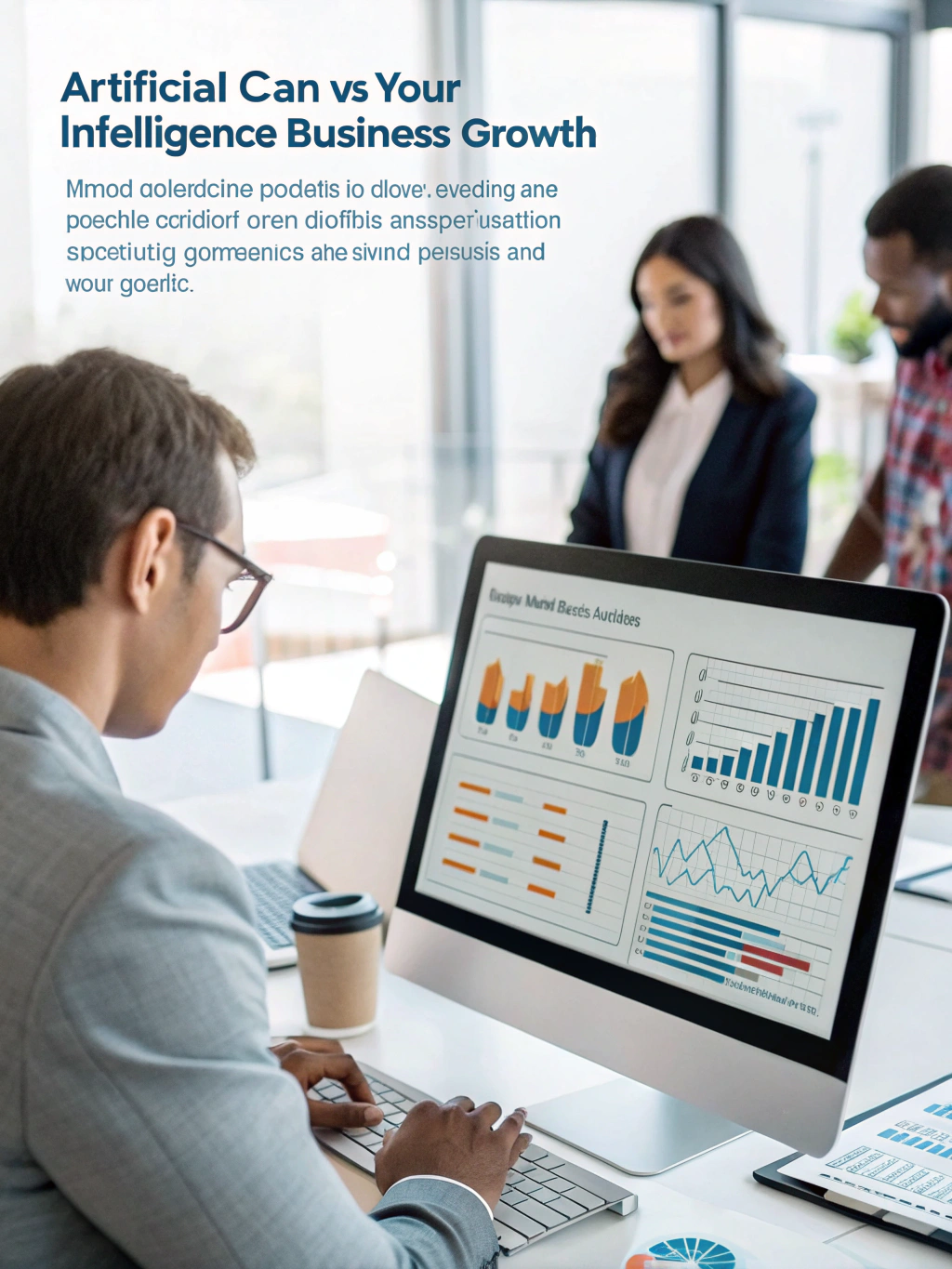
How To Use Ai For Business Growth
Unlocking Exponential Growth: Your Guide to Leveraging Intelligent Technologies
The business landscape is shifting at an unprecedented pace, and staying ahead requires embracing innovation. For many, the question isn’t if technology will disrupt, but how effectively can it be leveraged for competitive advantage. How to use AI for business growth isn’t some futuristic fantasy; it’s a present-day reality transforming industries. From streamlining operations to hyper-personalizing customer experiences and uncovering powerful market insights, the potential is vast. This post will explore practical strategies, real-world applications, and crucial considerations for businesses looking to harness the power of intelligent tools.
Boosting Productivity with Intelligent Automation
One of the most immediate benefits of intelligent technologies is automating repetitive tasks. This frees up valuable human capital to focus on strategic initiatives, creative problem-solving, and tasks requiring emotional intelligence – areas where machines still lag. Consider customer service. Instead of relying solely on human agents for initial inquiries, businesses can deploy intelligent chatbots to handle frequently asked questions, gather customer information, and route complex issues to the appropriate department. This leads to faster response times, improved customer satisfaction, and reduced operational costs.
- Workflow Automation: Implement tools to automate data entry, invoice processing, and email marketing campaigns.
- Meeting Summarization: Utilize applications that automatically generate summaries of meetings, highlighting key decisions and action items. This saves time and ensures everyone is on the same page.
- Content Generation: Employ tools to assist with drafting initial versions of reports, articles, or social media posts. While human editing is crucial, it significantly speeds up the content creation pipeline.
Enhancing Customer Experiences Through Personalization
Today’s consumers expect personalized interactions. Intelligent technologies enable businesses to deliver tailored experiences at scale. By analyzing vast amounts of customer data – purchase history, browsing behavior, social media activity – businesses can gain deep insights into individual preferences. This information can be used to personalize product recommendations, marketing messages, and even customer service interactions. A retail company, for instance, can use data analytics to suggest items a customer is likely to buy based on their past purchases and browsing history. This not only boosts sales but also fosters customer loyalty.
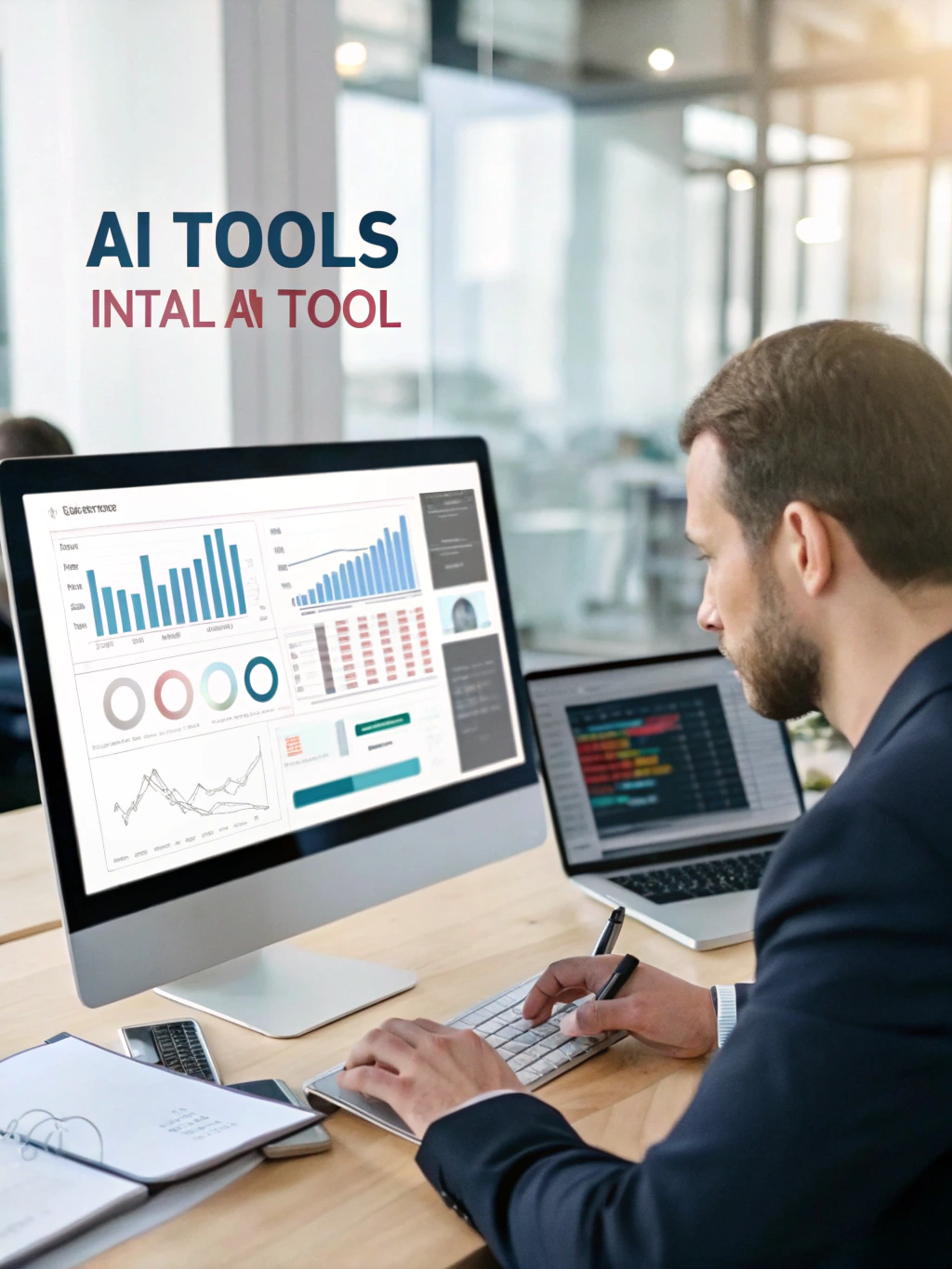
Gaining Data-Driven Insights for Strategic Decisions
The sheer volume of data available to businesses today can be overwhelming. Intelligent analytic tools can sift through this data to identify trends, patterns, and anomalies that would be impossible for humans to detect manually. This provides invaluable insights for informed decision-making across all areas of the business. For example, in the financial sector, sophisticated algorithms can be used to detect fraudulent transactions, assess credit risk, and predict market fluctuations. A marketing team can use data analytics to understand which marketing channels are most effective and optimize campaign spending accordingly.
Practical Experience & Real Use Case: Optimizing E-commerce Product Listings
Let’s walk through a practical example of implementing intelligent technologies to drive e-commerce growth. A small online retailer selling handcrafted goods noticed a low conversion rate on their product pages. They decided to leverage a tool that uses natural language processing to automatically generate compelling product descriptions.
Step 1: Data Collection: The retailer fed the tool existing product data (name, materials, dimensions) and customer reviews.
Step 2: Description Generation: The tool generated multiple product descriptions, each tailored to highlight different aspects of the products and using more engaging language.
Step 3: A/B Testing: The retailer created A/B tests, showcasing the AI-generated descriptions against their existing ones.
Step 4: Analysis & Iteration: The A/B testing results showed a 15% increase in click-through rates and a 10% increase in conversion rates for the AI-generated descriptions. The retailer continued to refine the descriptions based on ongoing performance data.
Common Beginner Mistakes & Fixes:
- Mistake: Over-relying on automated content without human review. Fix: Always review and edit the generated content to ensure accuracy, brand voice consistency, and cultural appropriateness.
- Mistake: Not properly cleaning and preparing the data. Fix: Invest time in data cleaning to remove inconsistencies and ensure the quality of the input data.
- Mistake: Ignoring A/B testing. Fix: Implement A/B testing to measure the effectiveness of different strategies and optimize your approach.
Limitations and Drawbacks to Consider
While the potential benefits of intelligent technologies are significant, it’s crucial to acknowledge their limitations. One key drawback is the potential for bias in algorithms. If the data used to train an algorithm reflects existing biases, the algorithm may perpetuate those biases in its outputs. This can lead to unfair or discriminatory outcomes.
Another consideration is the need for specialized expertise. Implementing and managing intelligent technologies requires a certain level of technical skill and knowledge. This can be a barrier to entry for smaller businesses with limited resources. Furthermore, it’s essential to remember that these tools are assistants, not replacements for human judgment.
A Comparative Glance: AI Tools for Businesses
| Tool Category | Example Tools | Key Features | Typical Use Case | Cost |
|---|---|---|---|---|
| Customer Service | Zendesk, Intercom | Chatbots, automated ticket routing, knowledge base integration | Handling customer inquiries, providing support | $200 – $500+/month |
| Marketing Automation | HubSpot, Marketo | Personalized email campaigns, lead scoring, social media scheduling | Nurturing leads, driving sales | $500 – $2000+/month |
| Data Analytics | Tableau, Power BI | Data visualization, reporting, predictive analytics | Identifying trends, tracking KPIs, forecasting | $100 – $500+/user/month |
Frequently Asked Questions
What are the primary benefits of integrating intelligent solutions into a business?
Intelligent solutions can improve efficiency, enhance customer experiences, and provide data-driven insights for better decision-making. Businesses often see increased productivity and revenue as a result.
How much does it typically cost to implement intelligent technologies for my business?
The cost varies greatly depending on the specific tools and solutions you choose. Some tools have monthly subscription fees, while others require a one-time purchase. Small businesses can start with relatively affordable options, while larger organizations may invest significantly.
What kind of data is necessary to effectively use intelligent tools?
The type of data needed depends on the tool and its intended use. Commonly used data includes customer information, sales data, marketing data, and operational data. Clean, organized data is crucial for accurate results.
Conclusion
The journey to leveraging intelligent technologies for business growth is an ongoing one. It requires careful planning, strategic implementation, and a willingness to adapt to evolving trends. By embracing these tools thoughtfully and addressing their limitations, businesses can unlock significant opportunities for innovation, efficiency, and competitive advantage. Explore further to understand how to use AI for business growth examples and find the perfect solutions for your organization. If you’re ready to dive deeper, share your thoughts or questions in the comments below!
Share this content:











Post Comment