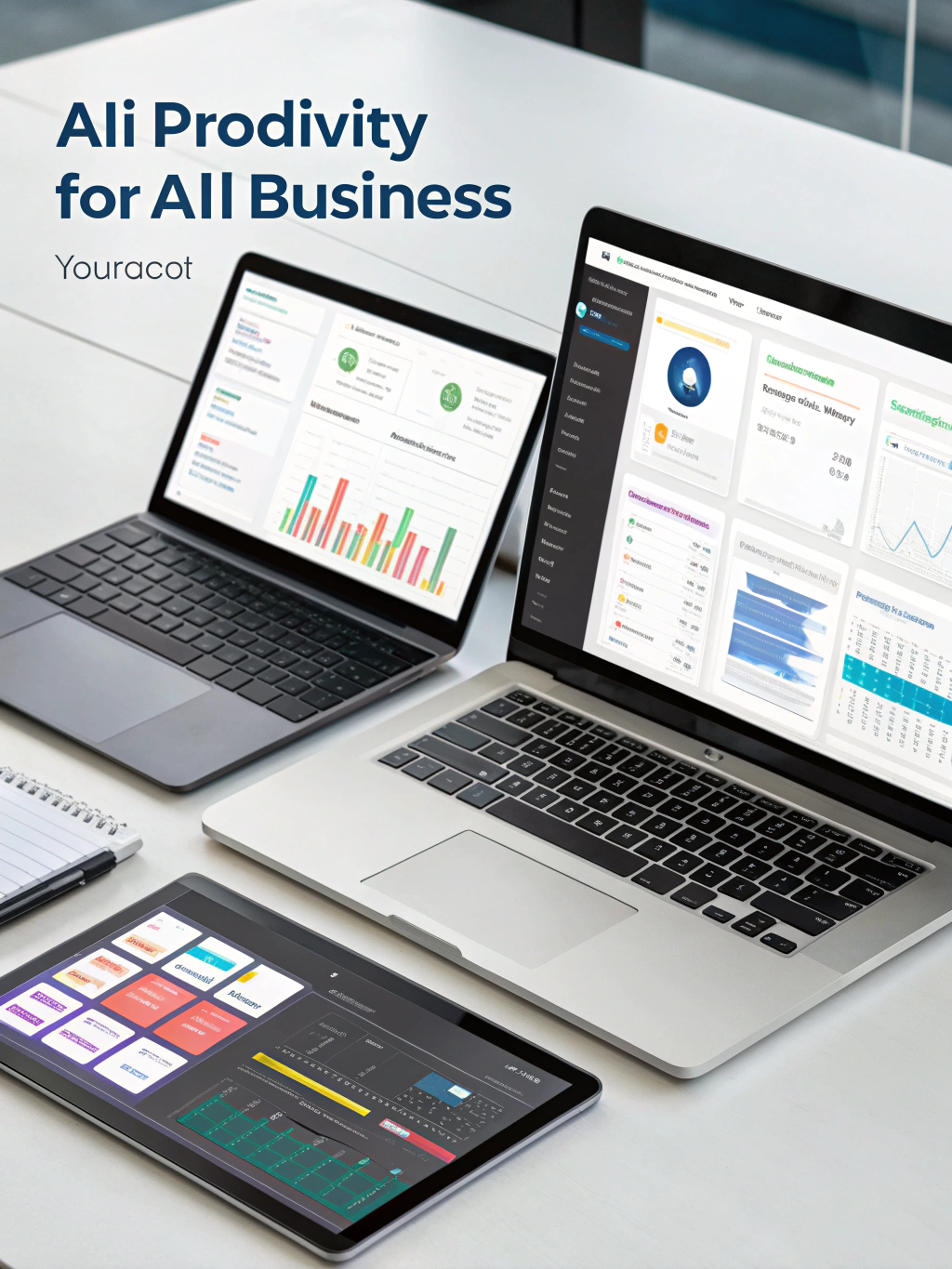
Best AI Tools for Business to Improve Efficiency and Growth
The business landscape is rapidly evolving, and staying ahead means embracing innovation. One of the most transformative forces right now is artificial intelligence. Understanding and leveraging ai tools for business isn’t just a futuristic concept; it’s a present-day necessity for companies of all sizes seeking efficiency, growth, and a competitive edge. From automating repetitive tasks to gaining deeper insights from data, these tools are reshaping how work gets done. This article delves into the world of AI-powered solutions, exploring practical applications, potential pitfalls, and how to navigate this exciting, yet sometimes overwhelming, frontier. We’ll explore how to implement ai tools for business and unlock their full potential.
What Are AI Tools for Business and Why Are They Important?
At its core, an AI tool for business is any software application that utilizes artificial intelligence techniques to automate processes, analyze data, or provide intelligent insights. This isn’t about replacing human workers wholesale, but rather augmenting their capabilities and freeing them from mundane activities. Think of it as having a tireless assistant capable of handling data crunching, customer service inquiries, content creation, and much more. The importance of these tools lies in their ability to improve productivity, reduce costs, enhance customer experiences, and ultimately drive revenue. Businesses that fail to adopt these technologies risk falling behind their more agile competitors.
The Spectrum of AI Applications
The range of applications is staggering. Here are just a few examples:
- Customer Service Chatbots: Providing instant support 24/7.
- Marketing Automation: Personalizing email campaigns and social media posts.
- Data Analysis: Identifying trends and patterns in large datasets.
- Sales Forecasting: Predicting future sales based on historical data.
- Content Creation: Assisting with writing blog posts, marketing copy, or even code.
- Process Automation: Automating repetitive tasks like invoice processing.
Key Categories of AI Tools for Business
To better understand the possibilities, it’s helpful to categorize the different types of ai tools for business available. Here are some of the most prominent categories:
AI Automation Platforms
These platforms (like Zapier and Make) connect different applications and automate workflows. They are instrumental in integrating various AI tools into existing business processes.
Natural Language Processing (NLP) Tools
NLP tools enable computers to understand and process human language. This is vital for chatbots, sentiment analysis, and text summarization.
Machine Learning (ML) Platforms
ML platforms allow businesses to build and deploy custom AI models for specific tasks, such as fraud detection or predictive maintenance.
Computer Vision Tools
These tools enable computers to “see” and interpret images and videos, used in applications like quality control and facial recognition.
Practical Experience & Real Use Case
Let’s look at a real-world scenario: a small e-commerce business struggling to manage customer inquiries. They’re spending a significant amount of time responding to the same questions repeatedly. Here’s how they could use ai tools for business to streamline their operations:
- Identify Repetitive Questions: Using an NLP tool, they analyze past customer service tickets to identify the most frequently asked questions.
- Implement a Chatbot: They integrate a chatbot into their website and social media channels, pre-programmed with answers to these common questions. Platforms like Dialogflow or ManyChat can be used for this.
- Automate Order Tracking: Using an automation platform like Zapier, they connect their e-commerce platform with a shipping provider to automatically provide order tracking information via the chatbot.
- Monitor Chatbot Performance: Regularly review chatbot conversations to identify areas for improvement and update the knowledge base.
Common Mistakes & How to Fix Them: One common mistake is creating a chatbot that’s too rigid and can’t handle complex inquiries. To fix this, focus on providing a clear escalation path to a human agent when the chatbot reaches its limitations. Another common error is neglecting to regularly update the chatbot’s knowledge base. Make this a recurring task – at least once a month – to ensure accuracy and relevance. Finally, beginners often overestimate the chatbot’s capabilities initially. Start with a focused set of FAQs and expand gradually.
Limitations and Drawbacks to Consider
While the potential benefits of ai tools for business are immense, it’s crucial to acknowledge the limitations. AI is not a magic bullet. It requires quality data to function effectively; “garbage in, garbage out” applies here. Bias in training data can lead to biased outcomes, perpetuating existing inequalities. The initial investment in these tools can also be significant, and ongoing maintenance and updates are necessary. Furthermore, some tasks simply require human ingenuity and emotional intelligence that AI cannot yet replicate. For example, complex negotiations or crisis management might still be best handled by humans.
AI Tools Comparison
Here’s a quick comparison of some popular AI tools, focusing on key features and pricing (subject to change):
| Tool | Primary Function | Pricing (Starting From) | Key Features |
|---|---|---|---|
| ChatGPT | Text Generation & Chat | Free / $20/month | Natural language understanding, content creation, code generation |
| HubSpot AI | Marketing & Sales Automation | Free / $50/month | Lead scoring, email personalization, content optimization |
| Google AI Platform | Machine Learning Platform | Pay-as-you-go | Custom model building, data analysis, prediction |
| Microsoft Azure AI | Cloud-based AI Services | Pay-as-you-go | Computer vision, NLP, speech recognition |
The Future of AI in Business
AI adoption is not a one-time project but an ongoing journey. As AI technology continues to advance, we can expect even more sophisticated and integrated solutions to emerge. Expect to see greater personalization, automation of more complex tasks, and a blurring of the lines between human and machine capabilities. Businesses that proactively embrace these changes will be best positioned to thrive in the years to come.
Frequently Asked Questions
Here are answers to some common questions about ai tools for business.
What skills do I need to use ai tools?
You don’t necessarily need to be a data scientist. Many user-friendly platforms offer intuitive interfaces. However, basic data literacy and an understanding of your business needs will be beneficial.
How much does it cost to implement ai in my business?
Costs vary significantly depending on the tools and complexity of the implementation. Starting with free trials or low-cost solutions can help you gauge the investment required.
Is ai automation secure?
Security is a major concern, and reputable vendors implement robust security measures. It’s essential to carefully vet providers and ensure they comply with data privacy regulations like GDPR or CCPA.
What are the best ai tools for small businesses?
Platforms like ChatGPT (for content), HubSpot AI (for marketing), and Zapier (for automation) are popular choices for small businesses due to their affordability and ease of use.
Can ai tools replace human employees?
AI tools are more likely to augment human capabilities than replace employees entirely. They can automate repetitive tasks, freeing up employees to focus on more strategic and creative work.
Conclusion
ai tools for business represent a powerful opportunity for organizations to enhance efficiency, improve decision-making, and gain a competitive edge. While challenges remain, the potential
Share this content:











Post Comment