
Experience is the Best Teacher: How VR Training Simulations are Transforming Employee Development
The Future of Learning is Here: How Virtual Reality Training Simulations Are Revolutionizing Skills Development
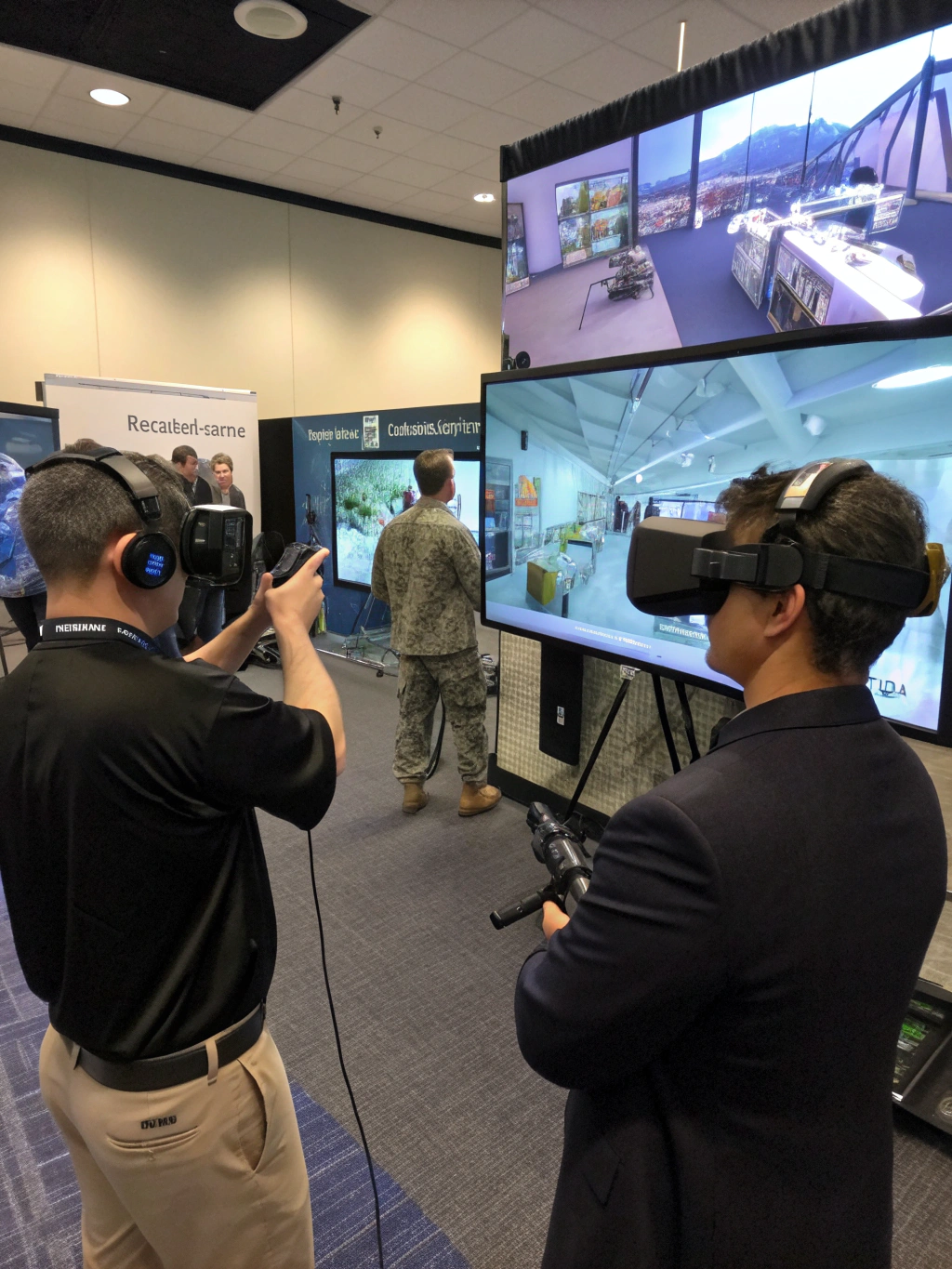
Are you looking for a way to upskill your workforce, improve safety protocols, or offer immersive learning experiences? Look no further than virtual reality training simulations. The convergence of advanced technologies like artificial intelligence (AI), blockchain, and extended reality (XR) – encompassing virtual reality (VR), augmented reality (AR), and mixed reality (MR) – is creating unprecedented opportunities for businesses across industries. This isn’t just a futuristic concept anymore; it’s a present-day reality reshaping how we learn and develop critical skills. From healthcare to manufacturing, and finance to customer service, the ability to create realistic, risk-free environments for training is becoming indispensable. This post will dive into the transformative power of virtual reality training simulations, exploring their applications, benefits, and the trends shaping their future, especially within the burgeoning space of vr in enterprise.
Why Virtual Reality Training Simulations are Gaining Traction
The traditional methods of training – lectures, manuals, and on-the-job learning – often fall short. They can be expensive, time-consuming, and lack the engagement necessary for effective knowledge retention. Virtual reality training simulations offer a compelling alternative, providing a highly interactive and immersive learning experience. Here’s why they’re rapidly becoming the preferred choice for many organizations:
- Enhanced Engagement: VR inherently captivates learners, making the learning process more enjoyable and memorable. The immersive nature of VR keeps trainees focused and actively participating.
- Safe and Risk-Free Environment: Imagine training surgeons on complex procedures without the risk of harming patients, or allowing engineers to troubleshoot equipment failures in a virtual setting. This is the power of VR – providing a safe space to experiment and learn from mistakes.
- Improved Knowledge Retention: Studies show that experiential learning, which VR facilitates, leads to significantly better knowledge retention compared to passive learning methods.
- Cost-Effectiveness: While initial investment might seem significant, VR training can ultimately reduce costs associated with travel, equipment damage, and employee downtime.
- Scalability: VR training programs can be easily scaled to accommodate large numbers of employees across different locations.
Key Applications of Virtual Reality Training Simulations Across Industries
The versatility of virtual reality training simulations is truly remarkable. Here are some compelling applications across various sectors:
Healthcare
VR training is transforming medical education and patient care.
- Surgical Training: Surgeons can hone their skills on realistic virtual patients, practicing complex procedures in a risk-free environment.
- Emergency Response: First responders can simulate emergency scenarios, improving their ability to handle high-pressure situations.
- Patient Education: VR can be used to educate patients about their conditions and treatment options in an engaging and understandable way.
Manufacturing
VR is optimizing training for factory workers and engineers.
- Equipment Maintenance: Technicians can learn to repair and maintain complex machinery in a virtual environment, reducing downtime and improving efficiency.
- Safety Training: VR simulations can expose workers to hazardous situations, teaching them how to react and avoid accidents.
- Assembly Line Training: VR training ensures employees follow correct procedures, reducing errors and improving product quality.
Finance
VR is enhancing training programs for financial advisors and customer service representatives.
- Sales Training: Financial advisors can practice client interactions and objection handling in a virtual setting.
- Compliance Training: VR can create realistic scenarios to test employee understanding of regulations and policies.
- Customer Service Simulations: Enhance empathy and problem-solving skills through simulated customer interactions.
Retail and Customer Service
- Sales Skills Development: Enhance closing techniques and product knowledge.
- Handling Difficult Customers: Practice de-escalation strategies in challenging scenarios.
The Role of AI and Automation in Enhancing VR Training
The future of virtual reality training simulations is inextricably linked to artificial intelligence (AI) and automation. AI is enhancing VR training in several key ways:
- Personalized Learning: AI algorithms can analyze trainee performance and adapt the difficulty and content of the simulation accordingly, providing a truly personalized learning experience.
- AI-Powered Coaching: AI can provide real-time feedback and guidance to trainees, helping them improve their skills and identify areas for improvement.
- Automated Content Creation: AI tools are streamlining the creation of VR training simulations, making it faster and more cost-effective to develop new training programs.
- Predictive Analytics: AI can predict employee performance and identify skill gaps, enabling proactive training interventions.
Navigating the Landscape: Trends in VR in Enterprise
The vr in enterprise market is experiencing rapid growth, driven by advancements in technology and increasing adoption by businesses. Here are some key trends to watch:
- Metaverse Integration: Companies are exploring the use of VR training simulations within metaverse environments, creating more immersive and collaborative learning experiences.
- Haptic Feedback: The integration of haptic technology – which provides users with the sense of touch – is enhancing the realism of VR simulations.
- Remote Training: VR facilitates remote training, allowing employees to learn from anywhere in the world.
- Microlearning: Short, focused VR modules are becoming popular for delivering bite-sized learning experiences.
| Industry | VR Training Application | Benefits |
|---|---|---|
| Healthcare | Surgical Procedures, Emergency Response | Enhanced skills, reduced errors, improved patient outcomes |
| Manufacturing | Equipment Maintenance, Safety Training | Increased efficiency, reduced downtime, improved safety |
| Finance | Sales Training, Compliance Training | Improved sales performance, reduced compliance risks |
| Retail/Customer Service | Customer Interaction Simulations | Improved customer satisfaction, enhanced employee skills |
Looking Ahead: Embracing the Future of Learning
Virtual reality training simulations are no longer a luxury; they’re becoming a necessity for businesses seeking to stay competitive in today’s rapidly evolving world. As AI and automation continue to advance, VR training will become even more personalized, effective, and accessible. The ability to create immersive, risk-free learning experiences will be a key differentiator for organizations looking to upskill their workforce and achieve their strategic goals.
Ready to explore how virtual reality training simulations can transform your organization? Contact us today for a consultation! What are your thoughts on the future of VR training? Share your comments and experiences below! Don’t forget to share this post with your network!
Share this content:







Post Comment