
Building Stronger Supply Chains: How Digital Twins Are Revolutionizing Resilience
Navigating Uncertainty: How Supply Chain Resilience Digital Twins are Reshaping the Future
The global landscape is in constant flux. Geopolitical instability, climate change, and unforeseen disruptions—like the recent pandemic—have exposed vulnerabilities in supply chains worldwide. Businesses are scrambling to build more robust, adaptable operations. Enter supply chain resilience digital twins, a transformative technology poised to revolutionize how companies manage risk and ensure continuity. This blog post dives deep into the world of digital twins, exploring their applications, benefits, and the future they hold for supply chain management in a complex and rapidly changing world. We’ll also touch on how advancements in AI and crypto markets are converging to further enhance supply chain security and efficiency.
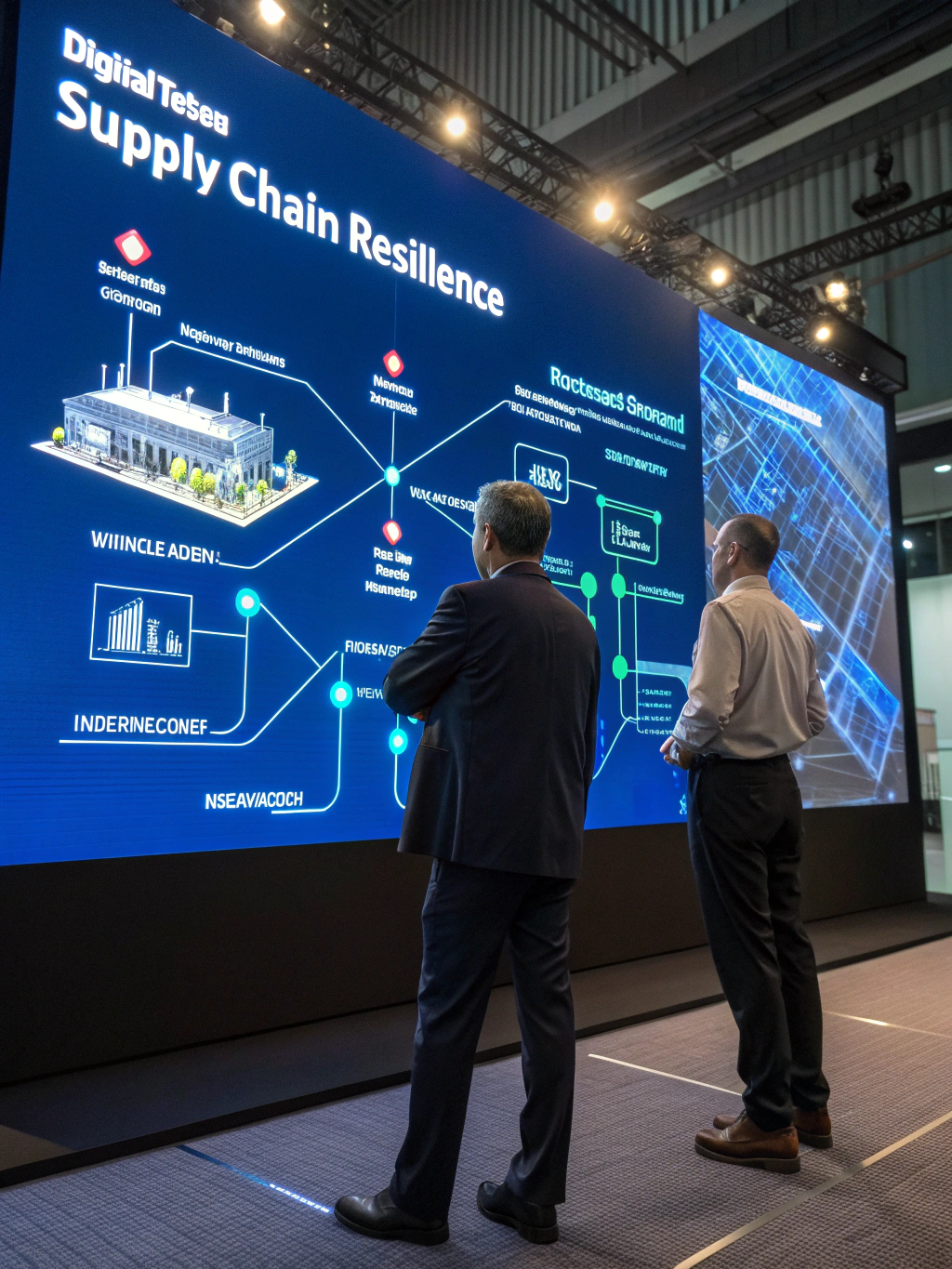
Understanding the Power of Digital Twins in Supply Chain Management
At its core, a digital twin technology is a virtual replica of a physical asset, process, or system. In the context of supply chains, this means creating a dynamic, real-time model that mirrors every aspect of your supply network – from raw material sourcing to manufacturing, warehousing, logistics, and finally, delivery to the end customer.
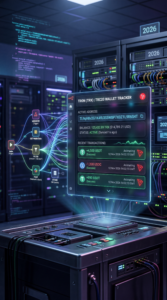
Far beyond a static simulation, a supply chain digital twin uses data from IoT sensors, ERP systems, weather reports, market feeds, and even social media to constantly update its representation of the real world. This enables businesses to:
- Predict Disruptions: By simulating various scenarios (e.g., port closures, supplier failures, extreme weather), digital twins can identify potential bottlenecks and vulnerabilities before they impact operations.
- Optimize Processes: Analyze current workflows, identify inefficiencies, and test alternative strategies in a risk-free virtual environment.
- Enhance Collaboration: Provide a single source of truth for all stakeholders – suppliers, manufacturers, distributors, and customers – fostering better communication and coordination.
- Boost Agility: Quickly adapt to changing conditions and make data-driven decisions to mitigate disruptions and maintain supply chain flow.
The integration of AI further enhances these capabilities, enabling predictive analytics and automated responses to emerging challenges.
Building a Resilient Supply Chain with Advanced Analytics and AI
The real power of digital twin technology emerges when coupled with Artificial Intelligence (AI). AI algorithms analyze the vast amounts of data generated by the digital twin to identify patterns, anomalies, and potential risks that humans might miss.
Here’s how AI is being leveraged to build supply chain resilience:
- Demand Forecasting: AI algorithms can analyze historical data, market trends, and even social media sentiment to predict future demand with greater accuracy, minimizing inventory risks and stockouts.
- Risk Assessment: AI can identify and prioritize supply chain risks based on their likelihood and potential impact, allowing businesses to focus their mitigation efforts effectively. This goes beyond traditional risk assessments by considering a wider range of variables, including geopolitical risks and cyber threats. You can read more about supply chain risk management.
- Automated Decision-Making: AI-powered systems can automate routine tasks, such as rerouting shipments in response to disruptions or adjusting production schedules to meet changing demand.
- Predictive Maintenance: Analyze data from equipment sensors to predict when maintenance is needed, preventing costly downtime and disruptions to production.
Exploring Alternative Investment Strategies for Supply Chain Security
While supply chain resilience digital twins are crucial for proactive risk management, businesses are also exploring alternative investment strategies to further enhance security and stability.
This includes:
- Decentralized Supply Chains: Leveraging blockchain technology to create more transparent and traceable supply chains, reducing the risk of fraud and counterfeit goods. Platforms like Walmart’s blockchain initiative are leading the way.
- Strategic Diversification: Reducing reliance on single suppliers or geographic regions by diversifying the supply base.
- Nearshoring/Reshoring: Bringing production closer to home to reduce lead times and improve control over supply chains.
- Cryptocurrency for Supply Chain Finance: Using cryptocurrencies to facilitate faster and more secure payments to suppliers, reducing financial risks and improving working capital management. This is particularly relevant in navigating fluctuating currency exchange rates and geopolitical uncertainties.
The Convergence of Crypto Markets and Supply Chain Optimization
The rise of cryptocurrencies has opened up new possibilities for supply chain finance and payment systems. Blockchain technology, the underlying foundation of most cryptocurrencies, can create a more transparent and secure ledger of transactions, reducing fraud and improving trust among supply chain partners.
Here’s how crypto is impacting the future of supply chains:
- Smart Contracts: Automated contracts that execute when pre-defined conditions are met, streamlining payments and reducing the need for intermediaries.
- Improved Traceability: Blockchain enables end-to-end tracking of goods, providing greater transparency and accountability throughout the supply chain.
- Faster Payments: Cryptocurrencies can facilitate faster and cheaper payments, reducing working capital costs for businesses.
- Enhanced Security: Cryptographic security protects against fraud and tampering, ensuring the integrity of supply chain data.
| Feature | Traditional Supply Chain | Supply Chain with Digital Twins & AI | Crypto-Enabled Supply Chain |
|---|---|---|---|
| Visibility | Limited | Real-time, end-to-end | Enhanced transparency via blockchain |
| Risk Management | Reactive | Proactive, predictive | Secure, tamper-proof transactions |
| Efficiency | Manual, slow | Automated, optimized | Faster, cheaper payments |
| Collaboration | Fragmented | Seamless, data-driven | Trustless, decentralized |
| Security | Vulnerable | Enhanced with AI & cybersecurity | Highly secure with cryptography |
Embracing the Future of Supply Chain Management
Supply chain resilience digital twins represent a significant step forward in building more robust, adaptable, and sustainable supply chains. By leveraging the power of AI, blockchain, and alternative investment strategies, businesses can navigate the uncertainties of the modern global economy and ensure the continuity of operations.
The path forward requires a strategic approach – investing in the right technologies, fostering collaboration among stakeholders, and embracing data-driven decision-making. As these technologies continue to evolve, we can expect even more transformative changes in the years to come.
What are your thoughts on the role of digital twins in supply chain management? Share your insights and questions in the comments below! Also, be sure to subscribe to our newsletter for more updates on the latest trends in technology and business.
Keywords: supply chain resilience, digital twin technology, AI, cryptocurrency, blockchain, supply chain finance, supply chain optimization, risk management, smart contracts, IoT, automation, alternative investments.
Share this content:
Post Comment